
Pressure Washing
Professional Pressure Washing
Pressure Washing
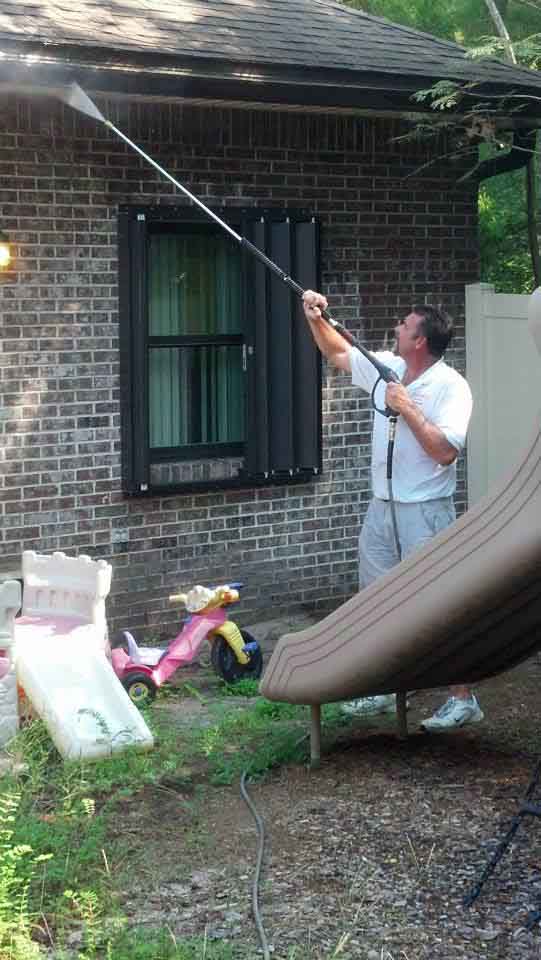
Pressure washing in Jacksonville isn’t just about making surfaces look clean. It’s about managing the specific buildup that Florida’s climate creates — mold, mildew, algae, salt residue, and pollen — that accumulates faster here than in almost any other part of the country. Left alone, that growth doesn’t just look bad. It shortens the lifespan of siding, decks, driveways, and roofs.
Handyman’s Best provides pressure washing throughout Jacksonville and the surrounding Beaches communities. We clean driveways, walkways, patios, siding, decks, fences, and roofs for residential and commercial properties. If exterior surfaces need repair before cleaning, our siding repairs and fence services pages cover those. After cleaning, many surfaces benefit from painting or sealing — our painting services team handles that next step.
If your siding is damaged, worn, or pulling away from your home or business, contact Handyman’s Best, Inc. today to request a quote.
What Builds Up on Jacksonville Surfaces
Jacksonville’s climate creates a specific set of buildup problems that homeowners and business owners deal with year after year.
Mold, Mildew, and Algae
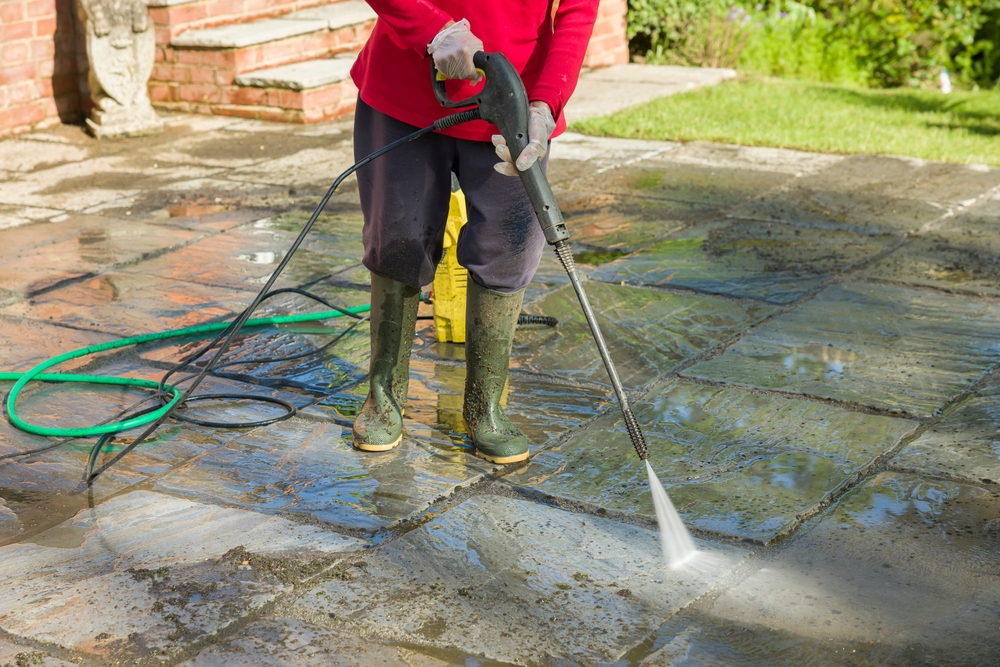
Florida’s humidity makes mold and mildew growth almost inevitable on exterior surfaces. The green and black streaks that appear on driveways, sidewalks, and siding are usually algae or mildew. These organisms hold moisture against the surface underneath, which accelerates deterioration of the material below.
Salt Residue
Properties near the coast deal with salt buildup on top of everything else. Salt settles on driveways, siding, and windows, leaving a chalky film that’s difficult to remove with a garden hose. It also accelerates corrosion on metal fixtures and hardware.
Pollen and Organic Debris
Jacksonville’s long pollen season coats everything outside with a fine yellow-green dust. Pollen clings to siding, patios, and fence boards. When it mixes with moisture, it becomes a food source for mold and mildew.
Dirt and Grime on Hard Surfaces
Driveways, walkways, and parking areas accumulate oil stains, tire marks, and general grime. Regular cleaning keeps them from staining permanently.
What Pressure Washing Can Clean in Jacksonville
Not every surface needs the same pressure or technique. The right approach depends on the material.
Driveways and Walkways
Concrete and paver driveways pick up dirt, oil, and organic staining. Pressure washing removes surface buildup and can bring back much of the original appearance. For pavers, a lower-pressure approach with surface cleaner attachments works better than a direct high-pressure stream.
Patios and Pool Decks
Florida’s outdoor living spaces need regular cleaning. Pool decks, screened patios, and outdoor kitchen areas all develop mildew and grime faster here than in cooler climates.
Siding
Vinyl, stucco, and fiber cement siding all respond well to pressure washing when the pressure is matched to the material. Too much pressure on stucco or vinyl can cause damage.
Decks and Fences
Wood decks and fences need careful cleaning. Soft woods require lower pressure, and cleaning should be followed by sealing to protect the wood.
Roofs
Roof cleaning requires soft washing — a low-pressure method with cleaning solution — rather than high-pressure washing. High pressure can damage shingles and void roof warranties.
Commercial Surfaces
Restaurant dumpster pads, retail walkways, office building entrances, and parking areas all benefit from scheduled pressure washing. These are the surfaces customers and tenants see first.
Pressure Washing vs. Soft Washing
The two terms get used interchangeably, but they describe different methods.
Pressure Washing
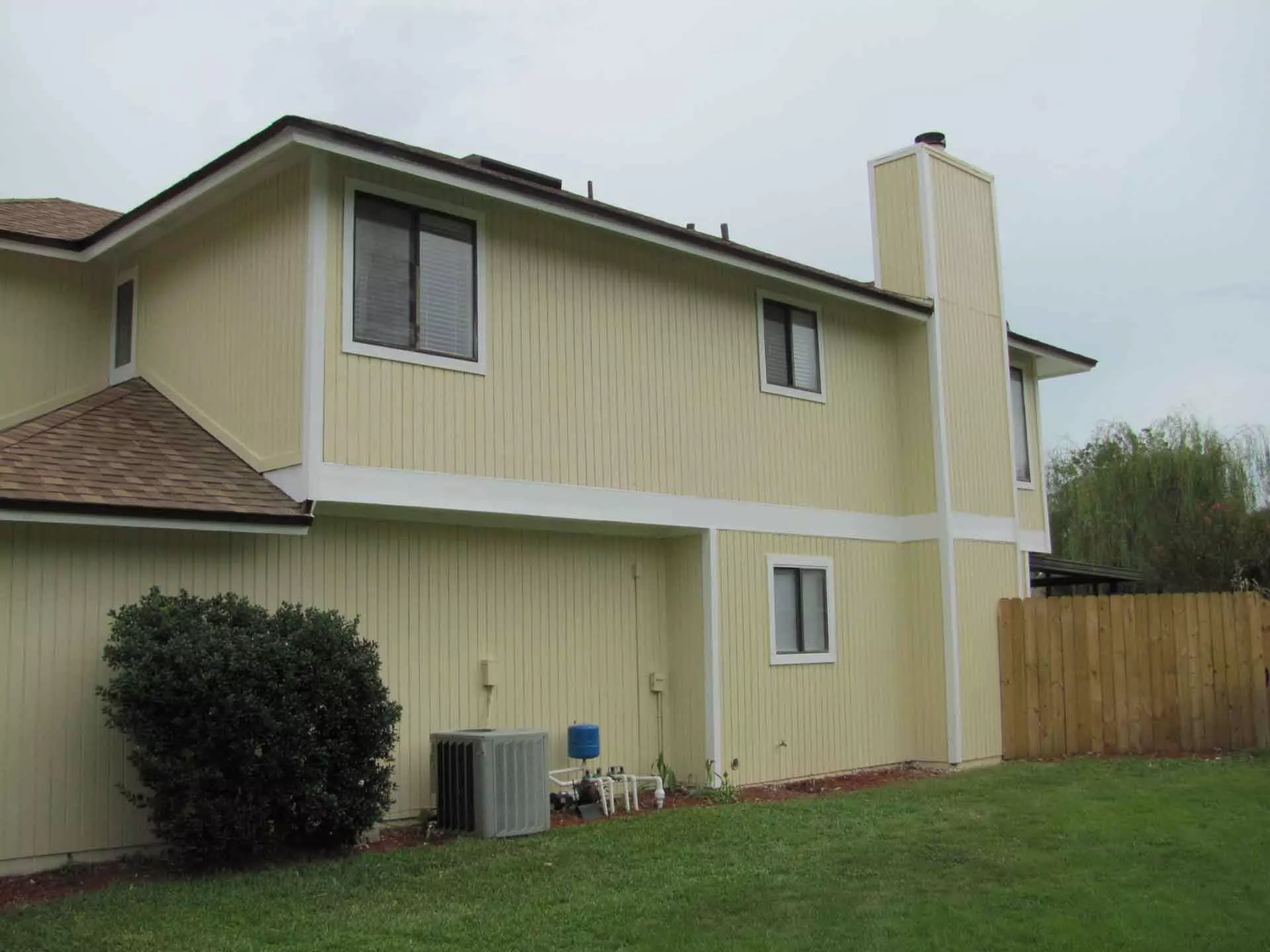
Pressure washing uses a high-pressure stream of water to remove dirt, grime, and loose material from hard surfaces. It’s effective on concrete, pavers, and other durable materials.
Soft Washing
Soft washing uses low pressure combined with cleaning solutions to remove organic growth like mold, mildew, and algae. It’s the right method for roofs, stucco, painted wood, and other delicate surfaces.
Using the wrong method on the wrong surface causes damage. Roof shingles, stucco, and painted wood should never be pressure washed at high pressure. Our crews match the method to the material.
What to Expect During a Pressure Washing Visit
Surface Assessment
We start by identifying the surfaces to be cleaned and the material of each. This determines the method and the pressure level.
Pre-Treatment
Heavily soiled surfaces — especially those with mold or mildew — often get a pre-treatment of cleaning solution. The solution loosens buildup so the pressure washing can remove it cleanly.
Cleaning
The cleaning method depends on the surface. Pressure washing for hard surfaces, soft washing for delicate ones.
Post-Cleaning Check
After cleaning, we check that buildup has been fully removed and no surface damage has occurred.
Related Services We Offer
Along with pressure washing, Handyman’s Best handles:
Painting Services — interior and exterior painting
Fence Services — fence repair and installation
Siding Repairs — siding repair and replacement
Carpenter — wood repair, trim, and framing
Flooring Installation — hardwood, laminate, and tile
Commercial Maintenance — ongoing property maintenance
Facility Maintenance Contractor — facility upkeep services
Areas We Serve
Handyman’s Best provides pressure washing throughout Jacksonville and the surrounding Beaches communities. If you’re in one of these areas, we’re within reach:
Not sure if we serve your area? Reach out and ask.
Frequently Asked Questions About Pressure Washing
How often should I pressure wash my Jacksonville home?
Most homes benefit from exterior pressure washing once or twice a year. Properties near the coast or heavily shaded by trees may need more frequent cleaning because of salt and mildew buildup.
Can pressure washing damage my siding or roof?
It can if the wrong method is used. Stucco, vinyl, painted wood, and roof shingles require soft washing — low pressure with cleaning solution — rather than high-pressure washing.
Do you clean roofs?
Yes. Roof cleaning uses a soft wash method. High-pressure washing can damage shingles and void roof warranties.
Is pressure washing safe for pavers?
Yes, when done with the right technique. Pavers require a lower-pressure approach with a surface cleaner to avoid damaging the joint sand or dislodging stones.
How long does pressure washing take?
A typical driveway or patio takes one to two hours. Whole-house exterior cleaning usually takes most of a day, depending on square footage and buildup.
Do you pressure wash commercial properties?
Yes. Our commercial maintenance team handles scheduled pressure washing for restaurants, retail spaces, office buildings, and other commercial properties.