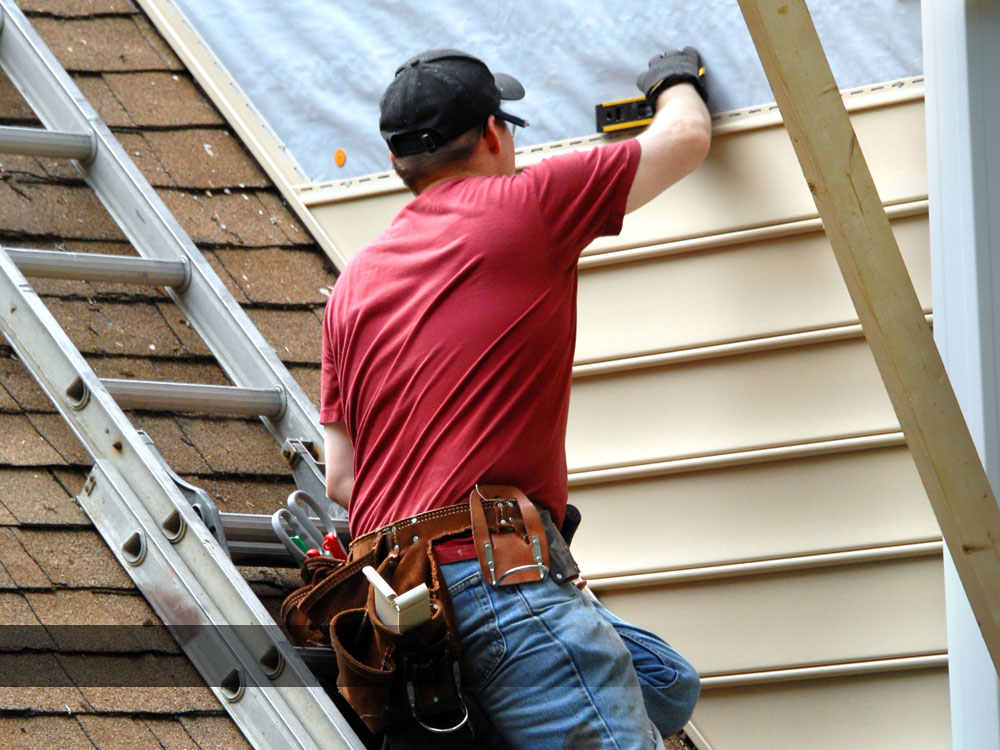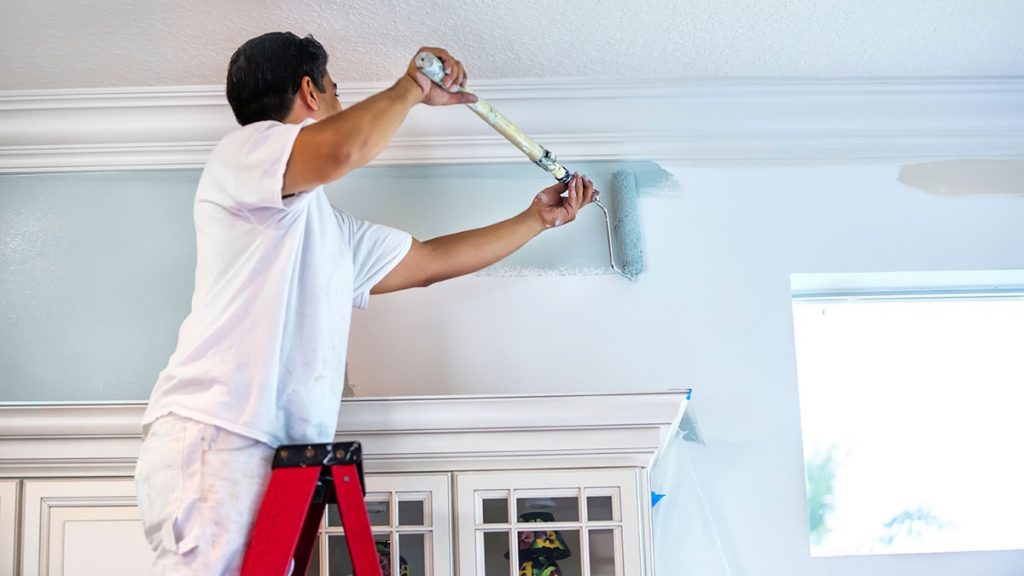
Jacksonville siding has a demanding job. It stands up to intense sun, wind-driven rain, humidity, salt air near the coast, and the occasional storm that sends branches across a yard. A loose board or small crack may seem cosmetic at first, but it can create an opening for moisture and pests long before the damage is obvious inside. Timely siding repair Jacksonville FL property owners can rely on helps protect the structure behind the exterior, not just the appearance of the building.
For homeowners, landlords, and commercial property managers, the best time to address siding damage is usually before it spreads. The right repair depends on the siding material, the source of the damage, and whether water has reached the sheathing or framing. A careful inspection makes that distinction clear and prevents paying for a surface-level fix when a more complete repair is needed.
Why Jacksonville Weather Is Hard on Siding
Florida heat causes siding materials to expand and contract. Over time, that movement can loosen fasteners, open seams, and worsen small splits. UV exposure can fade color and make some materials more brittle, especially on the sides of a property that receive direct afternoon sun.
Moisture is the larger concern. Jacksonville’s frequent rain and humid conditions can work behind damaged siding through cracked caulk, missing trim, loose panels, or failed flashing around windows and doors. Once water is trapped behind the exterior, it may lead to soft wood, mold, staining, peeling interior paint, and deterioration of the wall system.
Wind damage also deserves close attention after severe weather. A panel that has pulled loose, a section of warped soffit, or a damaged corner board can allow the next rainstorm to do far more damage than the original event. A prompt repair restores the protective layer before that opening becomes a larger project.
Signs Your Siding Needs Repair
Not every issue requires replacing an entire wall or re-siding a property. In many cases, targeted repairs can restore protection and extend the life of the existing exterior. The key is catching problems while they are localized.
Look closely for visible cracks, holes, warped boards, buckling panels, open joints, loose pieces, damaged trim, or paint that is bubbling and peeling. Wood siding may feel soft when gently pressed, show dark discoloration, or develop split edges. Fiber cement can crack from impact. Vinyl can become brittle, dented, or loose after wind and heat exposure.
Inside the property, clues can include stains around windows, musty odors, damp drywall, or unexpected drafts near exterior walls. These symptoms do not always originate with siding, but they are worth investigating. Water can travel, so the spot where damage appears indoors may not be directly behind the exterior opening.
For rental homes and commercial buildings, inspect high-traffic areas and lower wall sections regularly. Lawn equipment, carts, deliveries, outdoor furniture, and minor vehicle impacts can damage siding near entrances, walkways, and service areas. Addressing a small hole quickly is far easier than repairing moisture-damaged framing later.
What a Proper Siding Repair Should Address
A durable repair begins with identifying why the siding failed. Replacing a damaged board without correcting a flashing issue, leaking gutter, overgrown landscaping problem, or missing caulk can lead to the same damage returning.
The work may involve removing compromised siding, checking the wall beneath it, replacing damaged sheathing or wood where necessary, and installing a properly matched repair section. Weather-resistive barriers, flashing, trim, caulk, and fasteners all matter. They direct water away from vulnerable openings and help the repair perform as one part of the whole exterior system.
Color matching is another practical consideration. Older siding often fades from the sun, so a new piece may not match perfectly even when it is the same original color. Depending on the material and location of the repair, painting a repaired section or a full wall can create a cleaner result. A skilled contractor can explain what will blend well, what may remain visible, and whether a broader repair makes more sense.
Repair or Replacement: It Depends on the Extent of Damage
A small area of cracked fiber cement, a few loose vinyl panels, or localized wood rot may be a good candidate for repair. This approach is often cost-effective when the rest of the siding is sound and the underlying wall is dry.
Replacement becomes more reasonable when damage appears in multiple areas, water has caused widespread deterioration, or the existing siding is near the end of its useful life. Repeated repairs can eventually cost more than a planned replacement, particularly when materials are difficult to match or the same problem keeps returning.
There is also a middle ground. A property may need replacement on one elevation while the remaining sides only need repair, caulking, trim work, or paint. This can be a sensible option for owners who want to prioritize the most exposed side of the building without taking on a full exterior project at once.
An honest assessment should account for condition, budget, appearance, and future plans for the property. A homeowner preparing to sell may choose a repair that improves curb appeal and addresses active damage. A long-term owner may decide that a more extensive improvement offers better protection and lower maintenance over time.
Siding Repair in Jacksonville FL Requires the Right Craftsmanship
Siding repair is closely connected to carpentry, painting, exterior trim, soffits, fascia, and drainage details. That is why it helps to work with a contractor who can look beyond the damaged panel. The visible issue may be connected to a failing window trim board, a gutter overflow, or a fence and landscape feature that holds moisture against the wall.
At Handyman’s Best, Inc., experienced specialists can handle siding repairs alongside related exterior improvements, helping property owners avoid coordinating several separate contractors for one connected problem. With more than 25 years of experience, BBB A+ accreditation, a satisfaction guarantee, and a minimum one-year warranty, the focus remains on workmanship that gives customers confidence in the repair.
A clear estimate should explain the expected scope of work, including material replacement, preparation, caulking, painting when needed, and any damaged substrate found during the inspection. If hidden damage is possible, that should be discussed upfront. Exterior repairs sometimes reveal conditions that cannot be fully seen until the siding is removed, and straightforward communication helps prevent surprises.
How to Protect Repaired Siding
Once the repair is complete, simple maintenance can make a significant difference. Keep gutters clean and ensure downspouts carry water away from the foundation and siding. Trim shrubs and tree limbs back so air can circulate around exterior walls. Avoid directing sprinklers at the home, and repair leaking hose bibs or roof drainage issues quickly.
Pressure washing can help remove grime, mildew, and buildup, but it must be done with the right pressure and technique. Too much force can drive water behind siding, damage paint, or loosen caulk. If the exterior needs cleaning, ask for an approach appropriate for the material rather than treating every siding type the same way.
Walk around the property after major storms. Pay particular attention to corners, rooflines, window and door trim, soffits, and areas near trees. Taking a few minutes to spot a lifted panel or cracked board may save a much larger repair later.
When siding starts showing signs of wear, do not wait for water stains or interior damage to confirm there is a problem. A timely inspection and a well-planned repair can keep a small exterior issue from taking away the comfort, value, and peace of mind your property should provide.