A small water stain beneath a kitchen sink can turn into damaged cabinet flooring, tenant frustration, and a much larger repair bill before the next rent payment is due. In Northeast Florida, heat, humidity, seasonal storms, and heavy use can make minor issues move quickly. Thoughtful rental property maintenance Jacksonville owners can rely on is less about chasing a perfect checklist and more about fixing the right problems before they affect the home, the tenant, or the property’s long-term value.
For landlords and property managers, maintenance is part of protecting an investment and providing a home people want to stay in. A clean, safe, well-kept property supports better tenant relationships, reduces emergency calls, and helps make turnovers less stressful.
Why Rental Property Maintenance in Jacksonville Needs a Local Plan
Jacksonville rentals face conditions that are different from properties in drier or colder climates. Moisture is often the common denominator. Humid air, wind-driven rain, clogged gutters, plumbing drips, and poor exterior drainage can all create opportunities for wood rot, mildew, peeling paint, damaged drywall, and pest concerns.
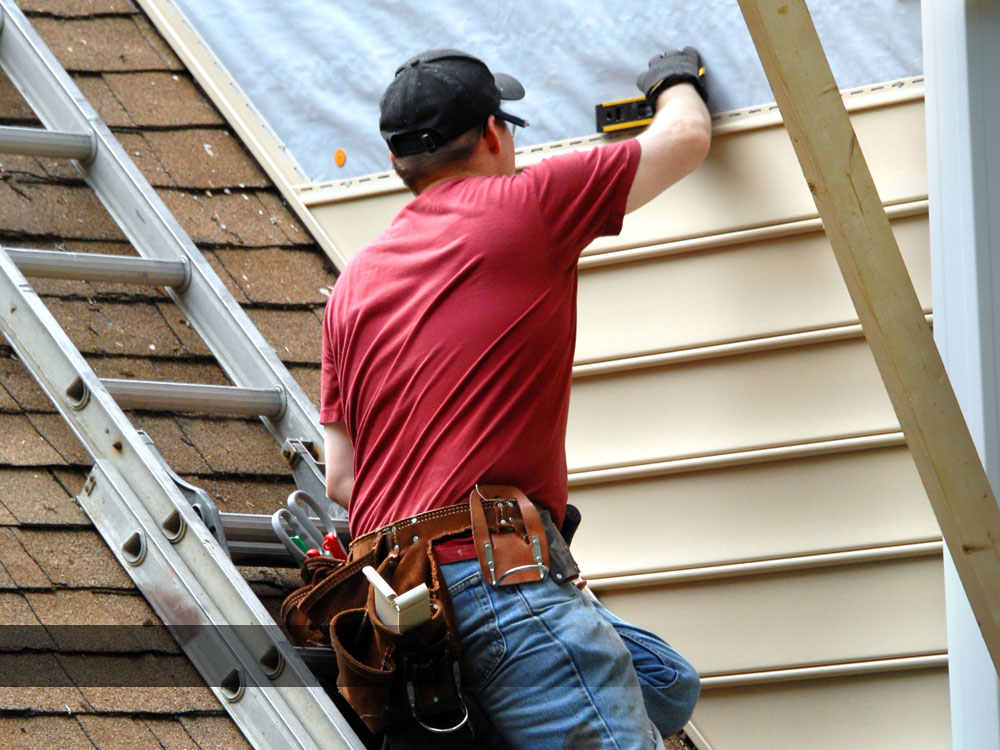
The exterior deserves regular attention, especially after storm season. Loose fence boards, worn deck surfaces, cracked caulk around windows, damaged siding, and failing paint may seem cosmetic at first. Left alone, they can allow water into places it does not belong. Pressure washing, exterior painting, siding repair, fence repair, and deck maintenance can help preserve curb appeal while addressing the conditions that lead to more extensive damage.
Inside, rental wear tends to show up at transition points: around doors, on flooring, at bathroom tile and grout, near appliances, and along heavily used walls. A dependable maintenance plan looks at these areas before a tenant move-out inspection reveals several small problems at once.
Build Maintenance Around the Rental Calendar
A practical plan does not require visiting every property every month. It does require consistency. The best timing depends on the age and condition of the home, the lease arrangement, and whether the property has features such as a deck, fence, older plumbing fixtures, or mature landscaping that affects drainage.
Before a New Tenant Moves In
The period between tenants is the best time to complete repairs that are difficult to schedule when a home is occupied. Start with a careful walk-through of every room, then work outward. Look beyond obvious paint touch-ups. Test doors, windows, locks, cabinet hardware, exhaust fans, toilets, faucets, smoke alarms, and light switches. Run water long enough to check for slow drains or leaks under sinks.
Floors and walls also deserve a closer look. A loose tile, soft spot in flooring, nail pop in drywall, or damaged baseboard can be more than an appearance issue. Addressing it before move-in gives the next resident a better first impression and establishes a clear baseline for the property’s condition.
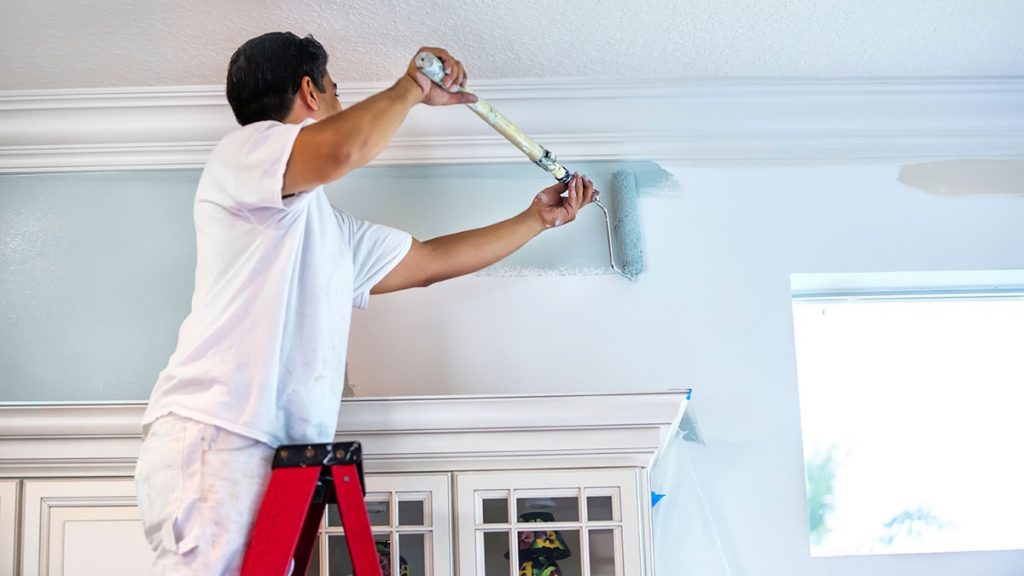
This is also a good time to handle the projects that improve lease appeal. Fresh interior paint, repaired drywall, updated flooring, clean walkways, a solid fence gate, and a well-maintained entry area can make a rental feel cared for without committing to a full renovation.
During an Occupied Lease
Responsive repairs are essential, but preventative maintenance should not wait for a complaint. A planned mid-lease inspection, completed with proper notice and in accordance with the lease and applicable requirements, can identify issues tenants may not recognize as urgent. Examples include a slow drip below a bathroom vanity, deteriorating caulk at a tub, loose railing components, or a small area of siding damage.
It also gives property owners a chance to confirm that basic systems and safety features remain in good working order. The goal is not to make tenants feel watched. It is to catch maintenance concerns early, keep communication open, and demonstrate that the property is being managed responsibly.
After Heavy Rain and Storms
A post-storm exterior check is one of the most valuable habits for Jacksonville property owners. Look for standing water near the foundation, displaced fence panels, loose siding, fallen branches, damaged screens, blocked gutters, and water intrusion around windows or exterior doors. If a tenant reports a ceiling stain or damp drywall after rain, treat it as a prompt investigation, not merely a paint issue.
Water follows the path of least resistance, and the visible stain is not always close to the source. Repairing the entry point first, allowing the area to dry properly, and then restoring affected finishes is usually the sounder approach.
Prioritize Repairs by Risk, Not Just Appearance
Every owner has a maintenance budget. The question is not whether to spend money, but where each dollar will prevent the most trouble. Safety, active water damage, and problems that may worsen quickly should come before purely cosmetic upgrades.
For example, a loose handrail, damaged stair tread, active plumbing leak, soft section of deck, or unstable fence gate needs timely attention. These conditions can affect tenant safety and may become more expensive if delayed. On the other hand, a faded wall color or minor scuff may be reasonable to schedule during turnover unless it affects the home’s marketability.
A useful way to make decisions is to separate work into three categories: urgent repairs, preventative repairs, and planned improvements. Urgent repairs protect people and prevent immediate damage. Preventative repairs address wear before it becomes a failure. Planned improvements, such as new flooring or a kitchen refresh, are investments that may support rentability, durability, or long-term value.
That distinction helps owners avoid two common mistakes: delaying a small but active problem, or spending on updates while important repairs are still waiting.
Common Areas That Deserve Consistent Attention
Bathrooms and kitchens should be high on the inspection list because they combine water, daily use, and finished surfaces. Check caulk and grout, toilet stability, drain speed, shutoff valves, cabinet bottoms, and the condition of fixtures. Minor plumbing repairs completed promptly can prevent damaged drywall, swollen cabinetry, and flooring replacement.
Exterior wood features need similar care. Jacksonville sun and rain can be hard on decks, steps, trim, gates, and fences. Watch for peeling paint, exposed fasteners, splintering boards, rot, and movement in posts or rails. Repairs made while the damage is contained are generally more straightforward than rebuilding an entire section later.
Drywall and paint often tell the story of what is happening behind the finish. Bubbling paint, recurring stains, soft drywall, or cracks that grow over time deserve attention. Some wall damage is simple tenant wear, while other signs can point to moisture, movement, or a hidden leak. A qualified professional can help determine whether the repair is cosmetic or whether the source needs to be corrected first.
Driveways, sidewalks, and entry paths also matter. Cracks, uneven sections, and deteriorated edges affect curb appeal, but they can also create trip hazards. Regular evaluation helps owners plan repairs before an issue becomes more disruptive to tenants or visitors.
Choose a Maintenance Partner Who Can Handle the Full List
Managing rentals often means coordinating several types of work at once. One property may need drywall repair and painting after a leak, while another needs a fence repair, pressure washing, new flooring, and a few minor plumbing fixes before move-in. Calling separate contractors for each smaller task can slow the process and make scheduling harder.
A one-stop property improvement team can be especially helpful when the scope is clear but varied. The right provider should listen to the owner’s priorities, explain what work is recommended and why, provide a straightforward estimate, and treat an occupied home with respect. Clean worksites, reliable scheduling, and clear communication are not extras when tenants are involved. They are part of professional service.
For larger projects, ask whether the work can be phased to match your budget and turnover schedule. Replacing damaged flooring in the most affected room now, for instance, may make more sense than delaying the entire job until every room can be updated. The right answer depends on the condition of the materials, the expected tenant use, and how soon the property needs to be market-ready.
Handyman’s Best brings more than 25 years of experience to interior and exterior repair, maintenance, and improvement projects across Jacksonville. With an A+ BBB accreditation, a satisfaction guarantee, and a minimum one-year warranty, the team helps property owners move from a scattered repair list to a well-maintained home with greater peace of mind.
Keep Records That Make Future Decisions Easier
Maintenance records are useful long after the repair is complete. Save estimates, invoices, photos, dates of service, and notes on the issue that was corrected. This creates a history for recurring concerns and makes it easier to plan future improvements.
A simple record can reveal patterns. If the same window area repeatedly shows moisture damage, the property may need more than another drywall patch. If flooring is wearing out faster than expected, a more durable material may be the better long-term choice. Good records turn maintenance from a series of isolated calls into a clearer picture of the property’s needs.
The most valuable repair is often the one completed before a tenant has to live with a bigger problem. Set a regular inspection rhythm, respond quickly when something changes, and give each property the level of care you would expect in a home of your own.