A siding decision becomes real when peeling paint, soft trim, cracked panels, or repeated repair bills begin taking attention away from the rest of the property. For Jacksonville owners, vinyl siding versus fiber cement is not just a question of appearance. It is a decision about heat, humidity, wind-driven rain, maintenance time, budget, and how long the exterior should perform before the next major project.
Both materials can be good choices when they are selected for the right building and installed carefully. The better option depends on the condition of the existing exterior, the style of the property, the owner’s maintenance expectations, and whether the priority is a lower upfront cost or a more substantial long-term finish.
Vinyl Siding Versus Fiber Cement: The Main Difference
Vinyl siding is a manufactured plastic exterior cladding. It is lightweight, available in many colors and profiles, and installed in interlocking panels over a properly prepared wall system. Because the color runs through the material, minor surface scratches are usually less noticeable than they would be on painted wood.
Fiber cement siding is made from cement, sand, cellulose fibers, and water. It is formed into boards, panels, and shingles that can resemble painted wood siding. Fiber cement is typically installed as individual lap boards or larger sheets, then caulked and painted or finished with a factory-applied color.
The practical difference is easy to understand: vinyl is generally lighter, faster to install, and less expensive at the start. Fiber cement is heavier, more labor-intensive, and usually costs more, but it offers a more solid, wood-like appearance and strong resistance to fire, insects, and rot.
Neither material can make up for damaged sheathing, missing flashing, poor drainage, or improperly sealed openings. Before new siding is installed, an experienced contractor should inspect the wall beneath it. In Northeast Florida, hidden moisture damage around windows, doors, rooflines, and hose connections deserves particular attention.
Cost: Upfront Price and Long-Term Value
For many homeowners and property managers, vinyl is the more budget-friendly choice. The material costs less than fiber cement in many cases, and its lighter weight can reduce labor time. Vinyl can make sense for rental properties, detached garages, sheds, additions, and homes where dependable protection and a clean appearance matter more than a premium architectural finish.
Fiber cement usually requires a larger initial investment. The boards are heavy, cuts create dust that must be handled with the right equipment, and installation requires careful spacing, fastening, flashing, and sealing. Painting or factory-finished products may also affect the final project cost.
That higher initial cost can be worthwhile for owners who plan to stay in the home for years, want a more traditional exterior appearance, or need siding that better matches existing trim, masonry, or higher-end neighborhood standards. It may also be a strong choice for commercial properties where a polished, durable exterior supports the business image.
The lowest estimate is not always the least expensive result. If water-damaged wood is covered instead of repaired, or if siding is installed without proper details around penetrations and transitions, the owner may face much larger repairs later. A detailed quote should clarify preparation work, removal and disposal, trim repairs, flashing, caulking, painting if needed, and cleanup.
How Jacksonville Weather Affects Each Material
Jacksonville exterior materials deal with intense sun, high humidity, sudden heavy rain, and tropical storm conditions. The siding choice should account for all of them.
Vinyl does not absorb water and will not rot. It is also not a food source for termites, which is a meaningful benefit in Florida. However, prolonged heat and strong sun can cause lower-quality or improperly installed vinyl to fade, warp, or look wavy. Vinyl expands and contracts with temperature changes, so installers must fasten it correctly and leave room for movement. Panels nailed too tightly can buckle.
Fiber cement holds up well against moisture, termites, and heat when installed and maintained according to manufacturer requirements. It is dimensionally more stable than vinyl and often performs well in high-heat areas. Still, it is not maintenance-free. Cut edges, caulk joints, and painted surfaces need periodic inspection. If paint fails or caulking opens, moisture can reach vulnerable areas behind the siding.
Wind resistance is not determined by the siding material alone. The fastening pattern, wall condition, trim details, and installation specifications all matter. After a major storm, property owners should inspect for loose panels or boards, cracked caulk, displaced trim, damaged soffits, and water intrusion around openings.
Appearance and Curb Appeal
Vinyl has improved considerably over the years. It is available in horizontal lap profiles, vertical board-and-batten styles, shakes, and a wide range of colors. For a straightforward, attractive update, it can deliver a noticeable improvement without the ongoing painting schedule associated with many exterior finishes.
Fiber cement is often the preferred option when owners want a more convincing wood-grain look, deeper shadow lines, wider trim options, or a custom-painted color. It can suit historic-inspired homes, coastal-style properties, and renovations where the exterior needs to complement existing architectural details.
The best-looking result comes from choosing a profile that fits the house. A modest ranch home may look excellent with clean horizontal lap siding and simple trim, while a two-story home may benefit from a mix of lap siding, vertical accents, and carefully proportioned corner boards. More decorative choices are not automatically better if they compete with the property’s original design.
Maintenance Expectations
Vinyl is commonly chosen for its low maintenance. It should still be rinsed periodically to remove dirt, pollen, mildew, and spider webs. A soft brush and appropriate cleaning solution can address buildup, but excessive pressure washing can force water behind the panels or damage the surface. Owners should also avoid placing grills or heat-producing equipment too close to vinyl.
Fiber cement needs regular visual checks and eventual repainting, especially on exposed elevations that receive strong Florida sun. Keeping vegetation trimmed back, gutters working properly, and sprinklers from constantly hitting the siding will help preserve the finish. Small paint failures and damaged caulk are easier and less costly to address before moisture reaches the underlying wall.
For landlords and commercial property managers, maintenance planning matters as much as the original selection. Vinyl can reduce routine painting needs across multiple units. Fiber cement may provide a more upscale appearance but should be included in the property’s scheduled exterior inspection and painting cycle.
Installation Quality Matters More Than Most Owners Expect
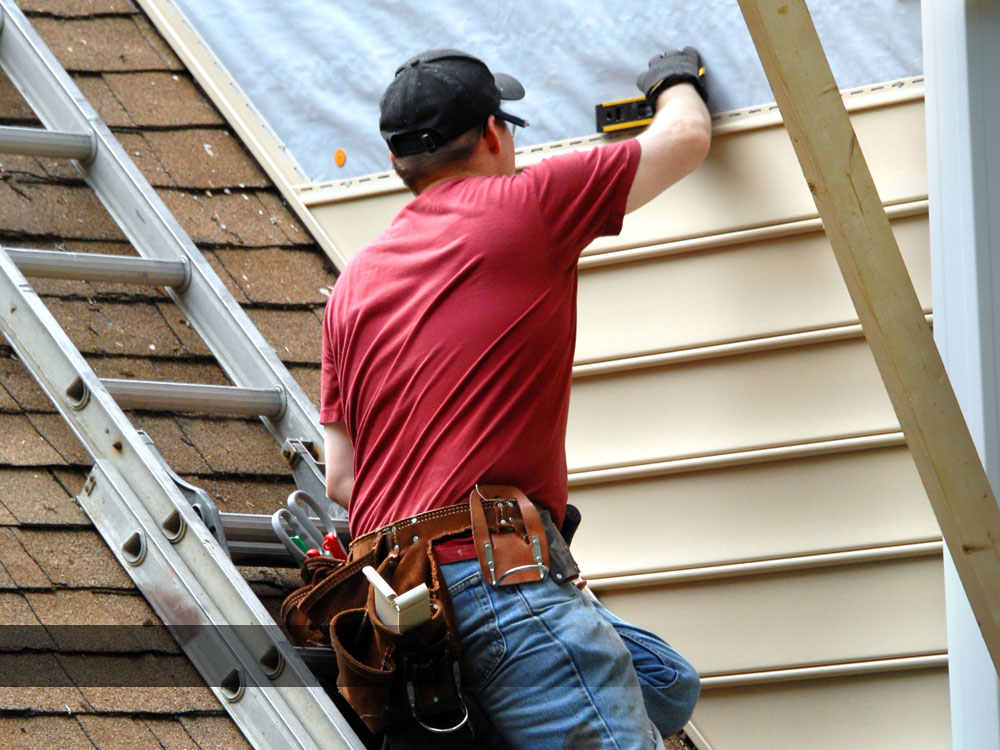
A siding project is a wall-protection project, not simply a cosmetic upgrade. Correct installation begins with a sound surface and proper water management. That may include replacing rotted fascia or sheathing, repairing trim, installing housewrap where appropriate, adding flashing, and ensuring windows and doors are properly sealed.
Vinyl needs straight, secure attachment points and correctly installed starter strips, corners, J-channels, and utility trim. Fiber cement requires the right clearances from roofing, soil, decks, and other surfaces, as well as proper fasteners and sealed joints. Shortcuts in either system can lead to cracking, moisture problems, loose materials, and an uneven appearance.
This is one reason property owners should be cautious about treating siding as a simple material purchase. The product matters, but the workmanship behind it determines whether the exterior can handle Florida weather year after year.
Which Siding Is Right for Your Property?
Vinyl may be the better fit if you want a cost-conscious exterior update, low routine maintenance, and a practical solution for a rental, shed, garage, or modest renovation. It can also be a sensible choice when the existing home design works well with standard lap or vertical panel profiles.
Fiber cement may be the better fit if appearance is a major priority, you want a painted wood-style exterior, or the property would benefit from a more substantial architectural finish. It is often a strong long-term option for owners prepared to maintain paint and caulk as part of regular property care.
Before choosing either one, consider these four questions:
- Is there existing rot, water damage, or failing trim that must be repaired first?
- How long do you expect to own or manage the property?
- Do neighborhood standards, tenant expectations, or commercial branding affect the desired look?
- Are you comfortable budgeting for future painting, or is lower-maintenance upkeep the priority?
A careful on-site evaluation can answer the questions that product brochures cannot. Handyman’s Best helps Jacksonville-area property owners assess exterior repairs and improvement needs with clear recommendations, skilled workmanship, and a focus on leaving the property clean and protected. The right siding choice should give you confidence every time Florida weather rolls in.