A loose fence panel, water-damaged drywall, a worn deck, and a bathroom that needs new tile can all feel like separate headaches. The right hire can turn that list into a finished project without unnecessary delays or surprises. When comparing a handyman versus contractor, the best choice comes down to the scope of work, the skills required, permit needs, and how much coordination the project demands.
For many Jacksonville homeowners, landlords, and property managers, the answer is not simply one or the other. A qualified home-improvement company can bring the right specialist to the job while giving you one dependable point of contact. That makes a real difference when repairs overlap or a property has several needs at once.
Handyman Versus Contractor: The Core Difference
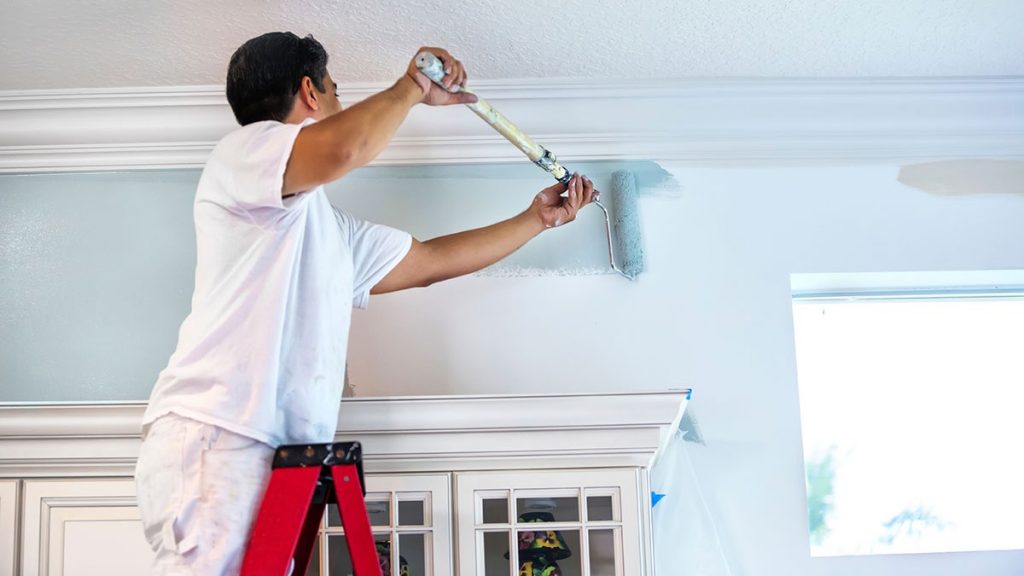
A handyman typically handles a broad range of repair, maintenance, and smaller improvement tasks. Think drywall patches, door repairs, trim work, painting, fence repairs, fixture replacement, pressure washing, minor carpentry, and touch-up work between tenants. A good handyman is valued for versatility, practical problem-solving, and the ability to complete multiple items in one visit or project.
A contractor usually takes on larger, more specialized, or more complex work. Depending on the trade and project, that can include major remodeling, structural changes, full-scale additions, new systems, or work requiring permits and licensed trades. Contractors often manage a defined project from start to finish, coordinating labor, materials, inspections, and scheduling.
The terms can overlap. Some companies offer handyman services while also operating with contractor-level experience and project management. That is why property owners should look past the label and ask what work the company is qualified, insured, and properly equipped to perform.
When a Handyman Is the Better Fit
A handyman is often the practical choice when the work is straightforward, contained, and does not require major design changes, engineering, or permits. This is especially true when several smaller repairs need attention at the same property.
For example, a homeowner may need a rotted fascia board repaired, a few interior doors adjusted, walls patched after plumbing access, and a room painted. Hiring separate companies for each item can mean multiple appointments, separate minimum charges, and more time spent coordinating work. A versatile handyman team can often organize those tasks into one efficient plan.
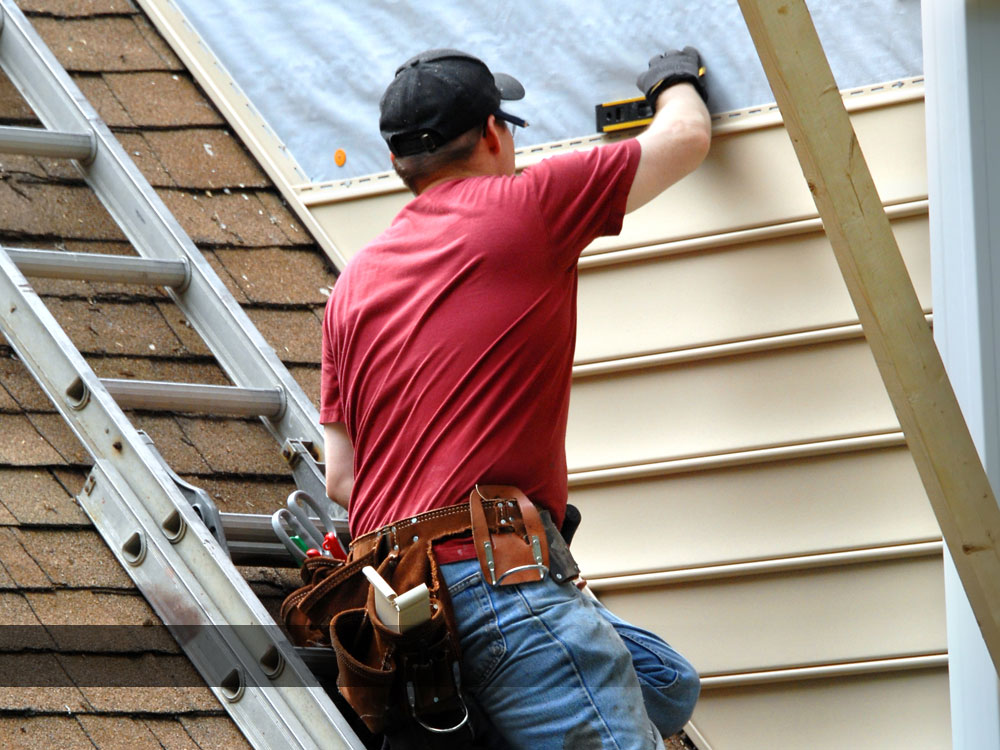
Handyman services are also helpful for preventative maintenance. Replacing deteriorated caulk, repairing damaged siding in a limited area, securing loose deck boards, cleaning exterior surfaces, or repairing fence gates early can help prevent a small concern from becoming a more expensive repair.
Landlords and commercial property managers frequently benefit from this approach. Between turnovers or during regular maintenance, they may need flooring repairs, drywall work, painting, minor carpentry, hardware replacement, and exterior cleanup. One reliable service provider makes it easier to keep the property safe, clean, and ready for residents, customers, or employees.
When You Need a Contractor
A contractor is generally the better choice when the work changes a building’s structure, involves a major renovation, requires a permit, or calls for a licensed specialty trade. This can include extensive kitchen or bathroom remodeling, room additions, significant structural repairs, major roofing work, and certain electrical, plumbing, or HVAC projects.
Permit requirements matter. In Jacksonville and surrounding communities, the rules can vary by project type and jurisdiction. If work requires a permit, inspections, plans, or licensed trade credentials, the person or company performing it must be able to meet those requirements. Never assume a project is too small to require approval simply because it appears simple on the surface.
A contractor may also be the right fit when a project has several moving parts. If a renovation involves demolition, framing, tile installation, cabinetry, plumbing changes, electrical work, painting, and inspections, somebody needs to manage the sequence. Poor coordination can create delays, damage completed work, or leave you with costly corrections later.
That does not mean every visible problem calls for a large contracting firm. A section of damaged drywall may only need repair and paint. But if the damage came from an active leak, the first step is identifying and resolving the source. The right professional will not just cover up the symptom.
Consider the Scope, Not Just the Size
Project size is useful, but scope is a better guide. A relatively small job may still need specialized expertise. For instance, replacing a light fixture may sound simple, but electrical safety and local requirements should guide the decision. Likewise, minor plumbing repairs can be appropriate for a handyman, while relocating supply lines or working on a larger plumbing system may require a licensed plumber.
Ask yourself a few practical questions before requesting estimates. Is the problem cosmetic, maintenance-related, or structural? Could the work affect water, electricity, gas, drainage, or safety? Does the project need an inspection or permit? Are there hidden conditions behind the wall, under the floor, or beneath the deck surface? The answers help define the right level of service.
Material choice can also change the scope. Replacing a few boards on an existing deck is different from rebuilding a deck with new footings and railings. Repairing a small portion of siding is different from correcting widespread moisture damage. A trustworthy company should explain where the line is and recommend an approach that protects the property rather than selling work you do not need.
Compare Estimates the Right Way
The lowest number is not always the lowest cost. An incomplete quote may leave out materials, prep work, cleanup, disposal, repairs discovered during the job, or the finish work needed to make the area look complete. Comparing estimates line by line gives you a clearer picture.
A useful estimate should describe the work to be completed, the materials or allowances included, and any conditions that could affect pricing. It should also explain who is responsible for permits when applicable. If a contractor expects to subcontract specialty work, ask how that work will be coordinated and who will communicate with you.
Insurance, workmanship standards, and warranty coverage deserve attention as well. Property owners should feel comfortable asking whether the company carries appropriate insurance and how it handles a concern after the job is finished. A written warranty does not prevent every issue, but it shows that the company stands behind its work.
Communication is another part of value. You should know when the team expects to arrive, how long the work should take, whether you need to move furniture or secure pets, and what the work area will look like at the end of the day. Clean worksites and respectful crews are not extras. They are part of a professional service experience.
A Better Option for Multi-Task Projects
Many property owners do not have one perfectly defined project. They have a running list. The guest room needs paint, the fence gate drags, a few floorboards are worn, the shed trim is deteriorating, and the driveway could use attention. In that situation, choosing between a handyman and a contractor can feel limiting.
A full-service local property improvement company may be the best fit because it can evaluate the full list, prioritize repairs, and assign the right craft expertise to each task. You get the convenience of a one-stop shop without treating every repair as a major renovation. For projects that do require a specialty trade or permit, the company should be clear about that from the beginning.
Handyman’s Best, Inc. serves Jacksonville-area property owners with broad interior and exterior improvement services, from master carpentry and flooring to drywall, painting, decks, fences, tile, siding repair, and more. With more than 25 years of experience, an A+ BBB rating, a satisfaction guarantee, and at least a one-year warranty, the focus is on helping customers move from a repair list to dependable results.
Choose the Help That Protects Your Property
The handyman versus contractor decision is not about choosing the biggest company or the cheapest quote. It is about matching the work to the right level of skill, oversight, and accountability. Small repairs deserve careful workmanship, and major improvements deserve qualified planning.
Start with a clear description of the issue, include photos when possible, and ask for a no-obligation estimate that explains the recommended scope. The right professional will make the next step feel clear, keep you informed, and leave your home or commercial property in better shape than they found it.