A loose bathroom tile, a faded deck, and a kitchen that no longer works for your family may seem like separate issues. In many Jacksonville homes, they are all signs that it is time to think bigger and plan home remodeling around the way you actually live. The best projects do more than make a room look newer. They solve daily frustrations, protect the property, and help you feel confident about the condition of your home.
A successful remodel does not have to mean tearing out every wall or completing a full-house renovation. It can be a focused upgrade to a bathroom, new flooring in high-traffic rooms, a repaired and refreshed exterior, or a coordinated list of overdue projects. The key is deciding what will make the greatest difference before work begins.
Start Home Remodeling With the Problems You Feel Every Day
Most homeowners can quickly name what they dislike about their house. A dark room feels cramped. A soft spot in the floor raises concern. A fence no longer provides privacy. The challenge is separating cosmetic wants from issues that can grow more expensive if ignored.
Start by walking through the property with a simple question: what is not working? Pay attention to water stains, cracking caulk, loose railings, damaged siding, worn flooring, sticking doors, and areas where paint is peeling. In Northeast Florida, moisture, humidity, heat, and storms can turn small exterior problems into larger repair needs. A deck with deteriorating boards or siding with gaps deserves attention before a purely decorative change.
Then consider how the home supports your routine. If your kitchen has enough square footage but poor storage, custom carpentry or better cabinet organization may offer more value than a complete rebuild. If a rental property needs to withstand frequent turnover, durable flooring and easy-to-clean finishes may be smarter than materials selected only for appearance.
This approach helps homeowners make decisions based on use, safety, and long-term upkeep, not just what looks appealing in a showroom.
Set Priorities Before Setting a Budget
A realistic budget begins with priorities, not a single dollar amount. Every property owner wants a project to look good, last well, and stay affordable. Sometimes those goals align easily. Other times, a decision has a clear trade-off.
For example, replacing a damaged section of flooring may cost less now, but it can create a noticeable mismatch if the original product is no longer available. Replacing flooring throughout connected spaces costs more upfront, yet it may deliver a more consistent result and avoid another disruption later. Similarly, repairing a fence may be the sensible choice when the posts and most panels are sound. If multiple posts are rotted and repairs keep adding up, replacement may be the better investment.
Break your plan into three categories: work that protects the property, work that improves daily function, and work that enhances appearance. Protection comes first. Address active leaks, damaged wood, unstable steps, failing caulk, and exterior openings before putting money into finishes that could be affected by those issues.
After that, focus on the spaces you use most. Kitchens, bathrooms, entryways, living areas, decks, and outdoor gathering spaces tend to make the biggest daily impact. Decorative details can follow when the essential work is complete.
It is also wise to keep room in the budget for conditions that are not visible until a project starts. Removing old flooring can reveal subfloor damage. Opening a wall may expose prior water intrusion. An experienced contractor can help you plan for those possibilities without treating every project as an emergency.
Choose Materials for Jacksonville Conditions
Materials should fit the property, the household, and the Florida climate. The least expensive option is not always the best value, but the most expensive option is not automatically necessary either.
For interior floors, consider foot traffic, pets, children, moisture exposure, and cleaning needs. Tile performs well in bathrooms, kitchens, and other areas where water is a concern. Luxury vinyl can be a practical choice for homeowners who want a resilient, lower-maintenance surface with a wide range of styles. Hardwood offers lasting appeal, but it requires the right installation conditions and more thoughtful care around moisture.
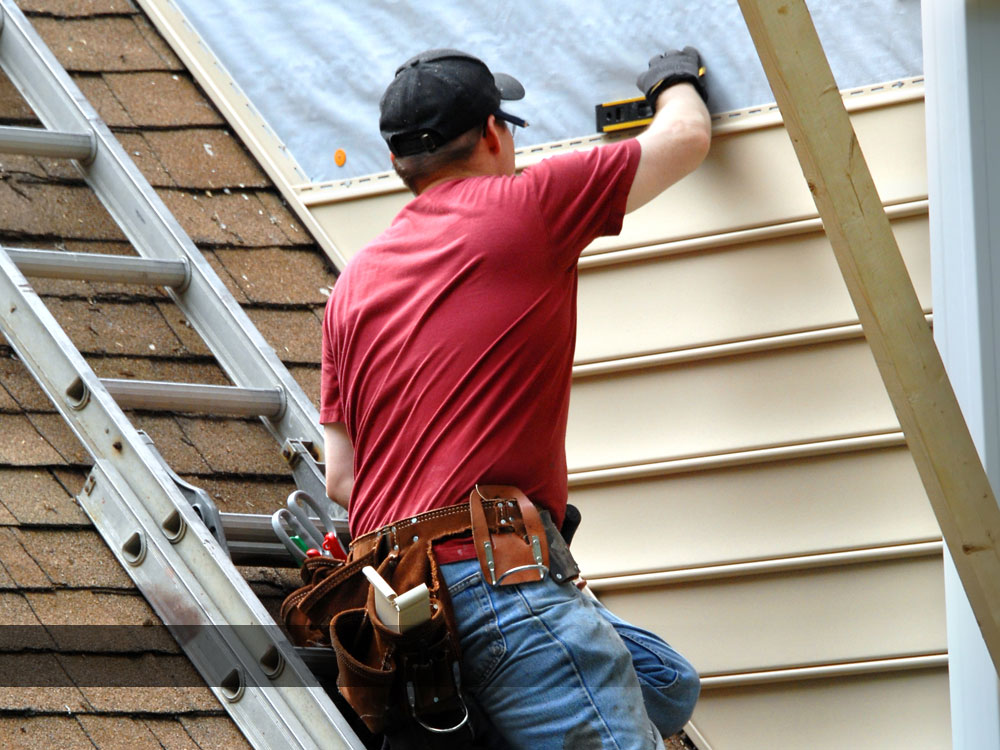
Exterior decisions deserve the same attention. Pressure washing and painting can restore curb appeal, but they work best after damaged siding, trim, or fascia has been repaired. Applying a fresh coat of paint over compromised wood may improve the appearance briefly while allowing the underlying problem to continue.
Decks, fences, and sheds need materials and finishes that can stand up to sun, rain, humidity, and occasional severe weather. Proper fastening, drainage, sealing, and repairs matter as much as the visible surface. A well-built outdoor project should feel solid, drain correctly, and be easier to maintain over time.
Plan the Work in a Sensible Order
Home remodeling often involves connected trades. Painting a room before drywall repairs are complete creates unnecessary rework. Installing new flooring before addressing a plumbing issue can put a new investment at risk. A clear sequence keeps the project organized and helps protect finished surfaces.
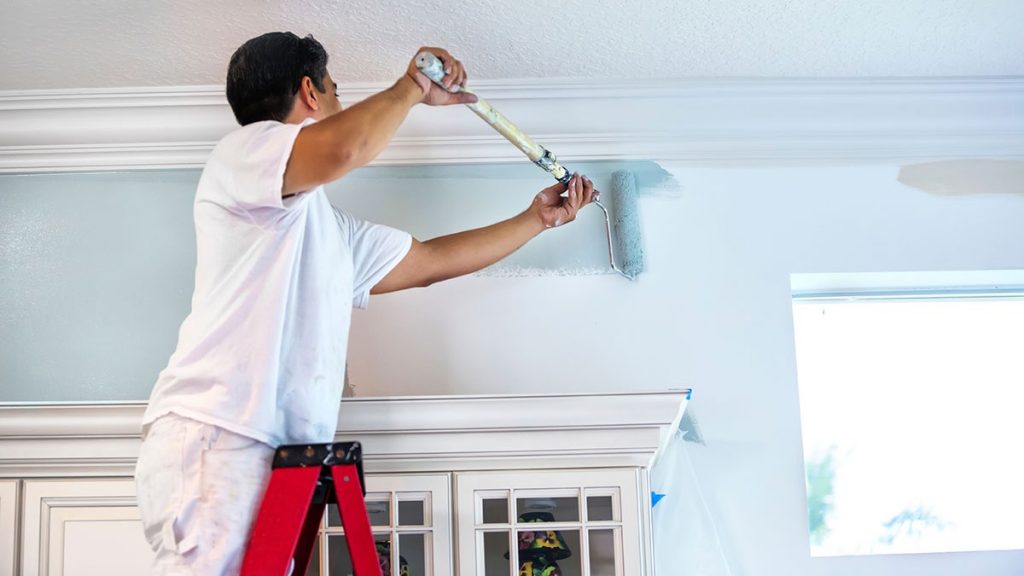
In general, begin with repairs behind walls, under floors, or on the exterior envelope. Then handle structural carpentry, drywall, tile, flooring, and trim. Painting and final touch-ups typically come later. The exact order depends on the project, but planning ahead prevents a common frustration: completing one job only to undo part of it for the next one.
If you have a long list of smaller jobs, coordinating them with one capable provider can be especially helpful. A project may include drywall patching, tile repair, interior painting, door adjustments, and minor plumbing repairs. Managing separate appointments for every task can delay progress and leave the home in a constant state of disruption.
A one-stop-shop approach gives property owners one point of contact, a clearer view of the work, and fewer scheduling headaches. It also helps ensure that the person repairing a wall understands what needs to happen before it is painted or before new flooring is installed nearby.
Know What to Expect From a Contractor
A dependable remodeling experience starts before tools arrive at the property. You should receive a clear conversation about your goals, an honest assessment of the work, and an estimate that explains what is included. Ask questions about materials, preparation, cleanup, project timing, and how change requests will be handled.
Price matters, but it should not be the only deciding factor. A low estimate may leave out preparation work, material details, disposal, or repairs that are necessary for a lasting result. Compare scope as carefully as cost. Two estimates can look very different because one contractor is planning a surface-level fix while another is addressing the cause of the damage.
Look for a local company with a record of responsive communication, skilled workmanship, and respect for your property. Licensing and insurance requirements vary by project, so ask what applies to the work you need. For larger or more complex improvements, written expectations are especially valuable.
Homeowners also deserve peace of mind after the job is done. A company willing to stand behind its work with a satisfaction commitment and warranty coverage signals that the relationship does not end at final payment. Handyman’s Best brings more than 25 years of experience, an A+ BBB accreditation, and a customer-first approach to projects ranging from targeted repairs to coordinated property improvements.
Make the Most of the Finished Space
The final stage of a remodel is not just admiring the new paint, tile, or flooring. It is setting up the space so it stays useful. Keep manufacturer care information for new materials, use appropriate cleaners, and address minor damage promptly. Small maintenance habits protect the work you have invested in.
For rental and commercial properties, create a simple record of paint colors, flooring types, repair dates, and material selections. That information makes future maintenance faster and helps preserve a consistent appearance across units or spaces.
The right home remodeling plan gives you a property that feels more comfortable now and is easier to care for later. Start with the problems that matter most, choose work that fits your goals, and work with professionals who treat your home or business with the care it deserves.