A loose handrail at a storefront, water staining on a ceiling tile, or a cracked section of sidewalk can look like a small issue until it disrupts business, creates a safety concern, or turns into a much larger repair. The best commercial maintenance priorities are the ones that protect people first, prevent expensive damage second, and keep your property looking like a place customers, tenants, and employees can trust.
For Jacksonville property owners and managers, maintenance planning also means accounting for heat, humidity, heavy rain, hurricane-season weather, and year-round exterior wear. A practical plan helps you address the work that cannot wait while scheduling cosmetic improvements before they become visible signs of neglect.
Start With Safety and Liability Risks
The first question is simple: could this condition cause someone to get hurt? If the answer is yes, it belongs at the top of the work order list. Commercial properties experience steady foot traffic, and seemingly minor defects can lead to slips, trips, falls, or access problems.
Walkways, entry areas, stairs, ramps, railings, parking areas, and exterior lighting deserve regular attention. Cracked or uneven concrete can create a trip hazard. Loose handrails, damaged stair treads, and worn flooring need prompt repair. Dim lighting near entrances, dumpsters, or parking spaces can affect both security and customer comfort.
Inside the building, look for damaged floor transitions, loose carpet, broken tiles, peeling paint, unstable shelving, and doors that do not close or latch correctly. Restroom concerns should move quickly as well. A leaking toilet, loose grab bar, damaged caulk, or poor ventilation can create sanitation issues and increase the chance of water damage.
Not every item requires a major project. Often, a targeted repair, fresh caulk, replacement hardware, or a properly completed drywall patch resolves the issue. What matters is responding before a small defect becomes an incident or a complaint.
Stop Water Before It Spreads
Water intrusion is one of the costliest maintenance problems in commercial buildings because it rarely stays in one place. A small roof leak can stain ceilings, damage insulation, weaken drywall, affect flooring, and create conditions for mold. In Florida, wind-driven rain makes prompt exterior maintenance especially worthwhile.
Check roofs, flashing, gutters, downspouts, exterior sealant, siding, window trim, and door thresholds on a regular schedule. Water should be directed away from the building, not allowed to pool near foundations, walkways, or entrances. If gutters overflow during a storm, the problem may be debris, poor drainage, or a damaged section that needs repair.
Indoors, investigate stains, soft drywall, bubbling paint, musty odors, warped flooring, and recurring moisture around windows or plumbing fixtures. These symptoms are easy to paint over, but paint alone does not solve the cause. The right approach is to find the source, correct it, allow the affected area to dry, and then repair the finishes.
Minor plumbing repairs also deserve early attention. Dripping faucets, slow drains, leaking supply lines, and damaged toilet components waste water and can interrupt operations. If a repair involves a larger plumbing failure or work that requires a licensed specialist, it should be escalated quickly rather than treated as routine maintenance.
Keep Building Exteriors Clean and Sound
Your exterior is a customer’s first impression, but the value of exterior maintenance goes beyond curb appeal. Mildew, algae, dirt buildup, peeling paint, damaged siding, and deteriorated wood can hold moisture against surfaces and conceal developing repairs.
Pressure washing is particularly useful for sidewalks, building exteriors, entry areas, fences, decks, and common areas where Florida humidity encourages growth. Done correctly, it improves appearance without damaging the surface. The right pressure and cleaning method depend on the material, so treating every surface the same can create avoidable damage.
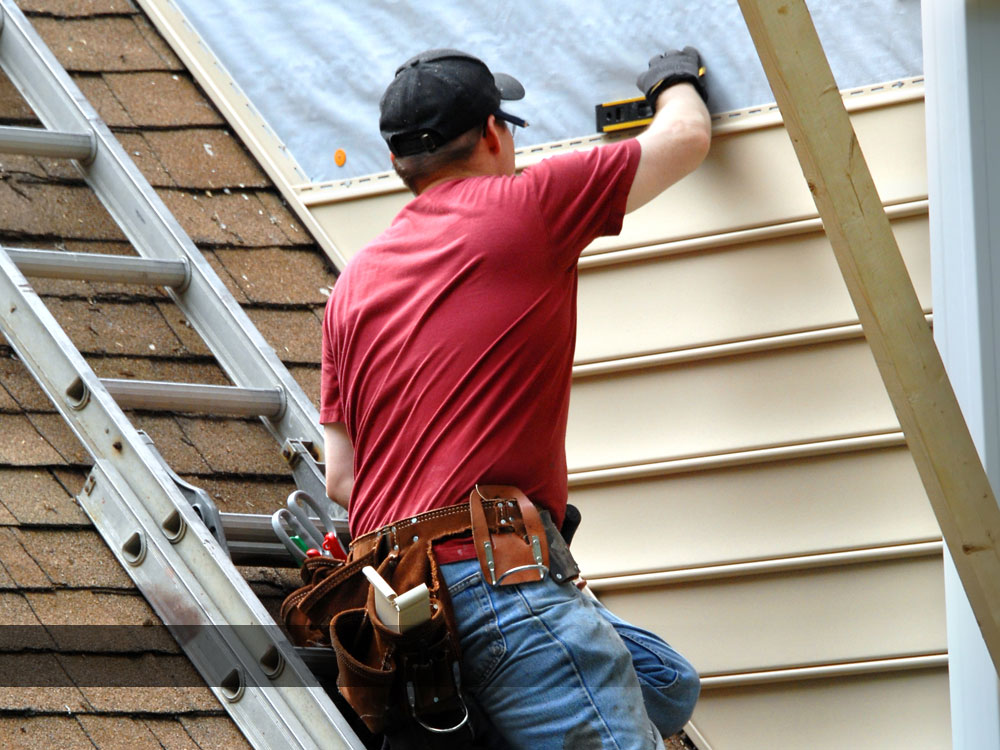
Paint and siding repairs should be handled before exposed areas have time to deteriorate. Peeling paint can leave wood vulnerable to moisture. Cracked siding, loose trim, and failed caulk can let water reach areas that are harder and more expensive to repair later. On properties with wood fencing, decks, gates, or exterior stairs, check for rot, loose fasteners, splintered boards, and shifting posts.
A clean, cared-for exterior sends a clear message: this property is managed attentively. That matters whether you operate a retail location, office, restaurant, rental community, or professional service business.
Prioritize the Areas People Touch Every Day
Some maintenance tasks do not present an immediate safety risk, but they strongly affect how people experience the property. Customers notice scuffed walls in a lobby, chipped tile in a restroom, damaged baseboards, worn door hardware, and stained ceiling tiles. Tenants notice those same details, especially when they remain unresolved after being reported.
Focus on high-contact, high-visibility areas first. Entrances, reception spaces, hallways, restrooms, break rooms, and common corridors are usually better investments than low-traffic back-of-house cosmetic work. Door repairs are a frequent example. A door that sticks, drags, slams, or has failing hardware can frustrate visitors every day, while a timely adjustment can restore a professional appearance and better function.
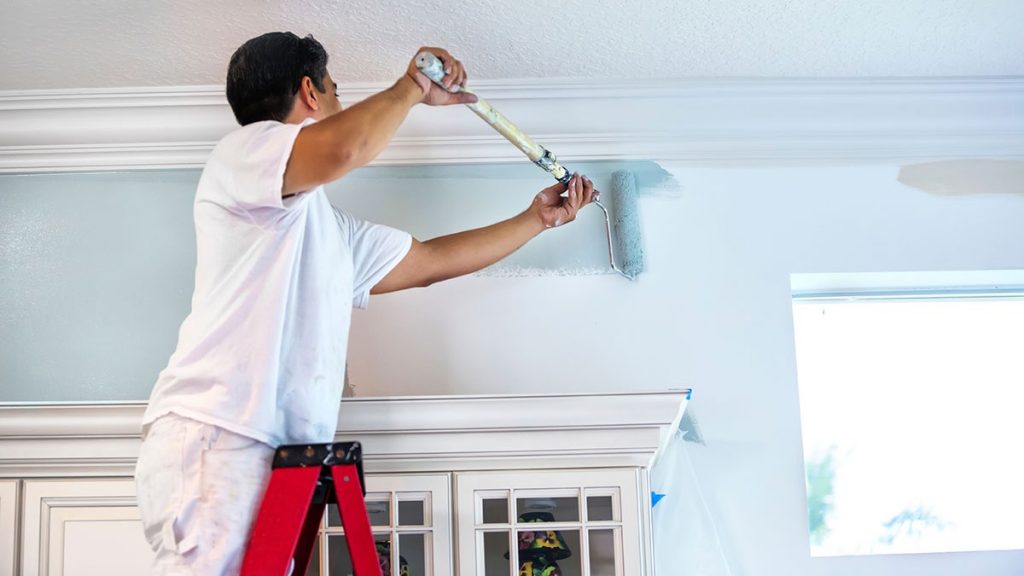
Interior painting, drywall repair, flooring replacement, tile repair, and finish carpentry can often be scheduled around business hours or completed in phases. That flexibility matters for occupied properties. The best choice is not always the largest renovation. It may be a focused set of improvements that eliminates the most visible wear without disrupting tenants or customers.
Protect Flooring, Walls, and Other Costly Finishes
Commercial finishes take more abuse than most owners expect. Rolling carts, deliveries, foot traffic, cleaning equipment, moisture, and moved furniture all leave their mark. Once damage reaches the subfloor, wall framing, or underlying structure, the cost and downtime can increase quickly.
Inspect flooring for loose tiles, cracked grout, lifting edges, soft spots, separated seams, and worn transitions. These issues are both appearance concerns and potential trip hazards. In areas where water is common, such as restrooms, break rooms, and entryways, confirm that caulk, grout, and thresholds are intact.
Walls need attention when cracks widen, holes expose underlying materials, or repeated impact damages corners and baseboards. Quality drywall repair includes more than filling a hole. The area should be stabilized, finished smoothly, and painted to blend with the surrounding surface. For rental turnovers and commercial suites, this kind of detailed finish work can make the difference between a space that feels ready and one that feels neglected.
Use a Simple System to Rank Commercial Maintenance Work
The best commercial maintenance priorities vary by property, but a consistent ranking system keeps decisions from becoming reactive. When a new issue is reported, consider four factors: safety, risk of additional damage, effect on daily operations, and visibility to customers or tenants.
A damaged handrail ranks high because it affects safety. A roof leak ranks high because delay can multiply the damage. A broken restroom door or failing entrance lock may rank high because it disrupts operations and privacy. Peeling paint in a storage room may be scheduled later if the underlying surface is protected and the condition is stable.
It also helps to separate urgent repairs from planned maintenance and improvement work. Urgent repairs need prompt action. Planned maintenance includes recurring work such as pressure washing, caulking, touch-up painting, fence checks, and sidewalk inspections. Improvement work includes upgrades such as new flooring, refreshed common areas, or an exterior facelift. All three categories matter, but they should not compete for attention in the same way.
Build a Seasonal Plan for Jacksonville Properties
A maintenance calendar prevents long lists from building up unnoticed. Before the rainy and hurricane seasons, inspect drainage, exterior sealant, siding, fencing, gates, and walkways. Clear debris from gutters and look for areas where stormwater collects. After major storms, check for fallen branches, damaged fencing, loose exterior materials, and signs of water entry.
During drier periods, schedule painting, exterior repairs, deck or fence work, and concrete repairs when practical. Interior projects such as drywall, flooring, tile, and carpentry can often be planned year-round, especially when coordinated around tenant schedules or slower business periods.
Documenting inspections and repairs is useful for property managers, too. A clear record helps identify repeat issues, supports budgeting, and shows tenants or owners that concerns are handled responsibly. Photos taken before and after work can be especially helpful for larger repairs and turnover projects.
For property owners who do not have time to coordinate separate painters, carpenters, flooring installers, and repair crews, a one-stop local maintenance partner can make the process far easier. Handyman’s Best brings more than 25 years of experience to commercial repair and improvement projects across Jacksonville, with careful workmanship, clear estimates, and service built around customer satisfaction.
The next time you walk your property, do not just look for what appears worn. Look for what could interrupt someone’s day, allow water inside, or quietly become a more expensive repair. Addressing those items early protects your investment and gives everyone who uses the space greater peace of mind.