A loose handrail, water-stained ceiling tile, damaged storefront trim, or cracked walkway can look like a small problem. For a business, though, small problems affect safety, customer confidence, employee comfort, and the condition of the property over time. Commercial repairs help Jacksonville business owners and property managers address those details before they become disruptions, liability concerns, or more expensive restoration work.
For many commercial properties, the challenge is not finding one repair. It is keeping up with a running list of interior and exterior needs while managing tenants, customers, vendors, and day-to-day operations. A capable local repair partner can bring that list under control with clear communication, skilled workmanship, and a practical plan for what should be handled now versus what can be scheduled later.
Why Commercial Repairs Deserve Prompt Attention
Commercial spaces work harder than most homes. Doors open hundreds of times a day. Floors carry foot traffic, carts, furniture, and deliveries. Restrooms, break rooms, entryways, parking areas, and exterior surfaces all receive regular use and exposure to Florida weather.
When a repair is postponed, the issue rarely stays in one place. A small leak behind a wall can damage drywall, paint, insulation, flooring, and nearby electrical components. A rotting section of exterior trim may allow more moisture into the structure. A worn threshold can become a tripping hazard while also letting rainwater enter during a storm.
There is also a business side to maintenance. Customers notice peeling paint, uneven flooring, broken fencing, and neglected landscaping borders before they know anything about the quality of your service. Tenants and employees notice when repairs are ignored as well. Taking care of the property sends a simple message: this is a professional place, and the people here care about it.
The Repairs That Often Matter Most
Every property is different, but several categories regularly rise to the top for offices, retail spaces, rental communities, restaurants, churches, medical offices, and other commercial locations.
Interior repairs that affect daily operations
Drywall damage, scuffed walls, cracked tile, worn flooring, damaged baseboards, and faulty doors can make an otherwise well-run space feel tired or poorly maintained. These are not always emergency repairs, but they can become especially important before a tenant turnover, inspection, client visit, grand opening, or lease renewal.
Bathrooms and break rooms deserve close attention because water and frequent use can reveal issues quickly. Minor plumbing repairs, loose fixtures, deteriorated caulk, damaged cabinet components, and failing floor materials should be addressed before they create downtime or more widespread damage.
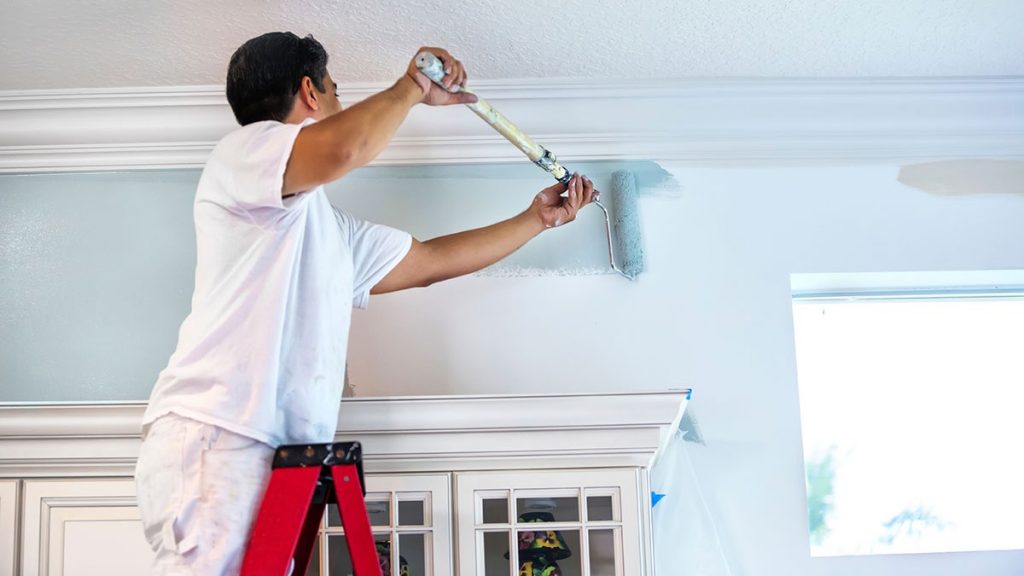
Painting is another high-value repair and improvement. Fresh paint can protect surfaces, cover years of wear, and help a business present a clean, consistent image. The right approach depends on the space. A customer-facing lobby may need a polished finish and careful scheduling, while a warehouse may call for durable coatings that stand up to heavy use.
Exterior repairs that protect the building
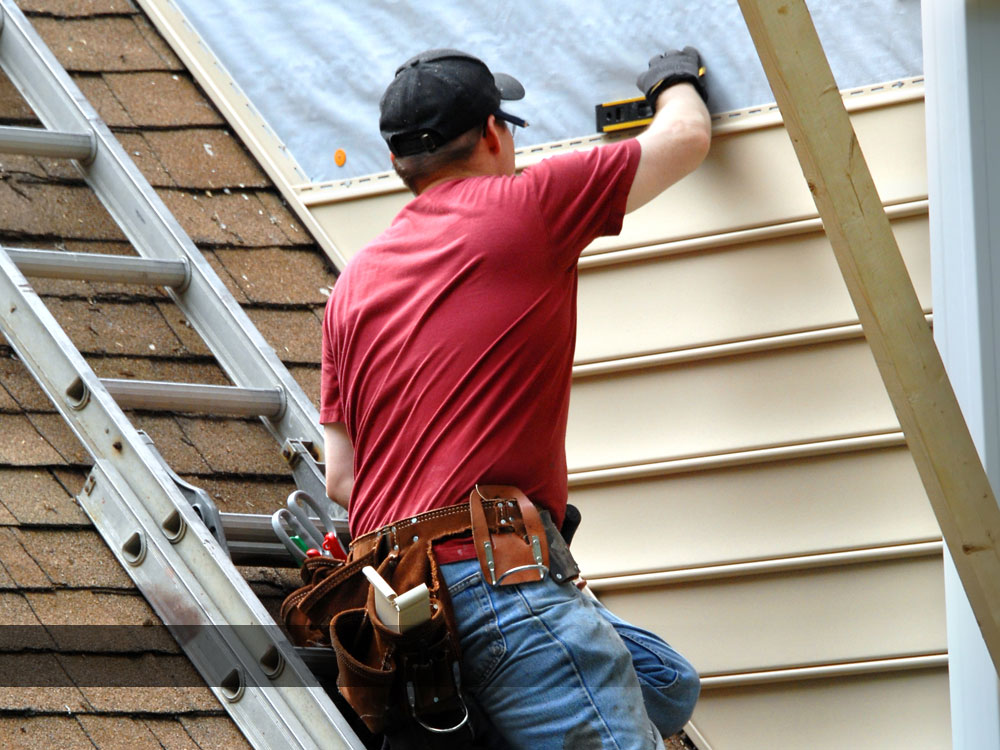
Jacksonville’s humidity, heavy rain, sun, and storm seasons can be hard on exterior materials. Siding, trim, fencing, decks, stairs, gates, and painted surfaces should be checked regularly for loose components, rot, cracking, fading, and moisture damage.
Pressure washing can also be more than a cosmetic service. Algae, mildew, dirt, and buildup on walkways, driveways, siding, and common areas can make a property look neglected and may create slick surfaces. Cleaning alone will not solve structural damage, but it often makes developing problems easier to spot.
Walkways and driveways deserve special consideration. Cracks, uneven sections, and deteriorating edges can affect accessibility and create hazards for visitors. Some concrete issues can be repaired efficiently, while others may require a larger replacement plan. The right decision depends on the cause, location, severity, drainage conditions, and expected traffic.
How to Prioritize a Commercial Repair List
A long repair list can feel overwhelming, especially when the property is occupied. The most useful way to prioritize it is not by which task is most visible. Start with what could cause injury, water intrusion, security issues, or interruption to business operations.
Safety-related items should move first. This includes loose railings, unstable stairs, damaged flooring that creates a trip hazard, broken gates, failing exterior lighting supports, and deteriorated handrails. Next, address moisture and building-envelope concerns, such as roof-adjacent trim damage, siding problems, leaking fixtures, and areas with visible staining or soft materials.
After that, focus on repairs that affect function. A sticking door, broken cabinet, damaged restroom partition, worn threshold, or failing fence section may not stop your business today, but each can create frustration and lead to a larger problem if ignored. Finally, schedule appearance-focused improvements such as touch-up painting, wall patching, pressure washing, and finish repairs.
Budget matters, too. It is reasonable to phase cosmetic projects or larger upgrades when they are still stable and safe. It is less wise to delay a repair that allows water in or exposes visitors to risk. A good contractor should help you understand that difference rather than treating every item as equally urgent.
Choose a Repair Partner Who Can Handle the Full Picture
Commercial property managers often lose time coordinating separate companies for drywall, paint, carpentry, flooring, fencing, and minor exterior work. Using one dependable team for related projects can simplify scheduling, reduce communication gaps, and create more consistent results across the property.
That does not mean one provider is automatically right for every job. Specialized systems such as major electrical, HVAC, roofing, fire protection, or extensive plumbing work may require a properly licensed specialist. For general property improvement and maintenance needs, however, a broad-service handyman and repair team can be an efficient solution.
Look for a contractor who will inspect the condition of the area, explain the scope in plain language, and provide a clear estimate before work begins. You should also ask how the work will be scheduled around your customers, employees, tenants, deliveries, and access requirements. For an occupied property, careful planning matters as much as the repair itself.
Professional habits make a difference. Arriving when promised, protecting nearby surfaces, keeping the work area orderly, communicating about unexpected conditions, and cleaning up at the end of the project all help commercial repairs stay manageable instead of becoming another operational headache.
Plan Preventive Work Before It Becomes an Emergency
The best maintenance program does not need to be complicated. A seasonal walk-through of the property can identify changes before they become urgent. Check exterior caulk and paint, siding and trim, gates and fences, decks and stairs, sidewalks, drainage areas, doors, flooring transitions, restrooms, and common spaces.
Keep a simple record of recurring concerns, including where they appear and when they were first noticed. If the same wall stain returns after every major rain, or the same door repeatedly drags, that pattern may point to an underlying cause that needs more than a surface fix.
It also helps to group work by location and trade. If several offices need wall repairs and paint touch-ups, completing them during one planned visit may be more efficient than scheduling separate small projects. The same applies to exterior carpentry, fence repairs, pressure washing, and flooring corrections.
For Jacksonville-area owners and managers, Handyman’s Best provides a practical one-stop option for many of these ongoing needs, from carpentry and drywall repairs to painting, flooring, fencing, siding, and exterior maintenance. With more than 25 years of experience, an A+ BBB accreditation, a satisfaction guarantee, and warranty coverage, the focus is on dependable work and clear service from the first estimate through cleanup.
A well-maintained commercial property does not have to be perfect every day. It does need to be safe, functional, and cared for in a way that supports the people who use it. Start with the repair that is most likely to grow, then build a realistic plan for the rest.