A small hole or water stain can make an otherwise well-kept room feel unfinished fast. Getting a drywall repair estimate in Jacksonville is the practical first step, but the best estimate does more than provide a number. It explains what caused the damage, what work is needed to restore the wall or ceiling, and whether another repair should happen before the patch is made.
For homeowners, landlords, and commercial property managers, clear details matter. A quick patch may be the right answer for a doorknob hole or minor dent. A ceiling stain, recurring crack, or soft wall section needs a closer look. The goal is not simply to cover damaged drywall. It is to leave you with a clean, durable repair that fits the room and holds up over time.
What a Drywall Repair Estimate in Jacksonville Should Cover
A dependable estimate starts with an inspection of the damaged area and the surrounding surface. The size of the visible damage matters, but so does what is behind it. A repair professional should look for moisture, loose drywall, failed tape joints, framing concerns, or signs that the damage could return after the patch is complete.
The written scope should identify the work involved. That may include removing compromised drywall, installing a backing support, fitting new drywall, applying joint compound in multiple coats, sanding, matching texture, priming, and painting. If the repair is on a ceiling, in a stairwell, or near cabinets and trim, access and surface protection may also be part of the job.
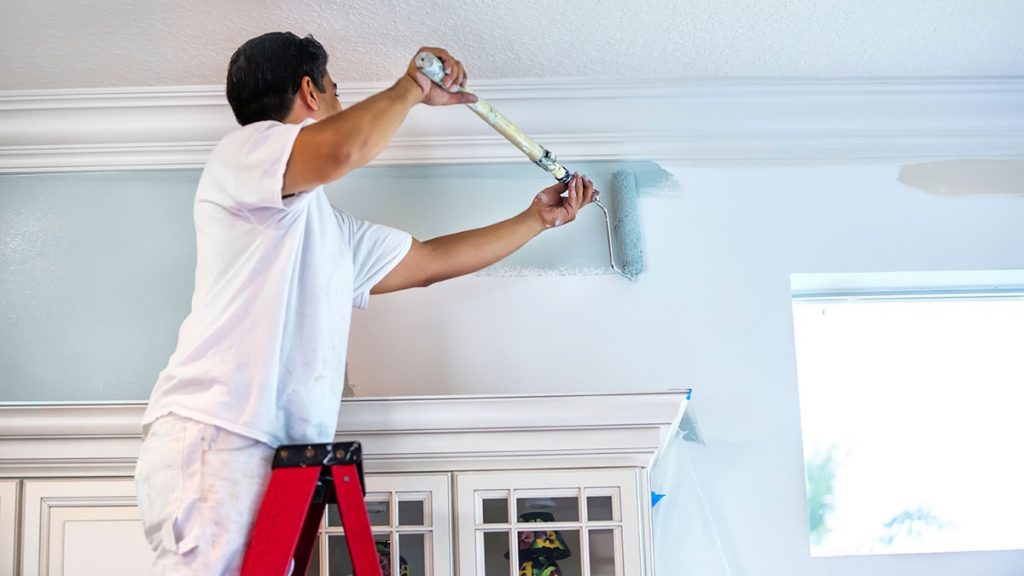
Painting deserves an honest conversation during the estimate. A skilled drywall repair can blend neatly into the existing surface, yet older paint may have faded or changed color over time. In some cases, painting the repaired area is enough. In others, painting the full wall or ceiling is the better way to avoid a noticeable touch-up spot. The right choice depends on the finish, lighting, paint condition, and your expectations for the final appearance.
What Affects Drywall Repair Pricing?
There is no one-size-fits-all price for drywall work because damage can look simple from the outside and be more involved once examined. A small nail pop is different from a hole caused by a plumbing leak, and a crack along a ceiling seam may require a different approach than a dent in a hallway wall.
Size and location of the damage
Larger openings generally require more material, labor, and finishing time. Location also changes the scope. A repair in an open living room wall is easier to reach than one above a staircase, behind appliances, or on a high ceiling. Repairs around electrical outlets, plumbing access panels, windows, doors, and built-in features require added care to protect nearby surfaces and maintain straight, clean lines.
Texture and finish matching
Smooth drywall is not always easier to match than textured drywall. A smooth wall can reveal every imperfection in certain lighting, while orange peel, knockdown, popcorn, or other texture finishes require the right application method to blend with the surrounding area. Texture matching is a craft step, not an afterthought, and it can affect the time needed for a polished result.
Water damage and the source behind it
If drywall has been exposed to water, the first question should be whether the source has been corrected. A roof leak, plumbing issue, window leak, or exterior siding concern must be addressed before new drywall is installed. Otherwise, a fresh patch can become damaged again. Wet insulation, staining, mold-like growth, and softened framing can also expand the repair scope.
Cracks that may signal movement
Not every drywall crack is a major structural concern. Seasonal movement, normal settling, and minor stress around doors and windows can create surface cracks. However, wide cracks, recurring cracks, or cracks paired with sticking doors, uneven floors, or visible separation may call for further evaluation. A good contractor will not treat every crack the same way or promise a permanent cosmetic fix without considering why it appeared.
How to Prepare for Your Estimate Appointment
You do not need to have every answer before requesting an estimate. A few helpful details can make the visit more productive. If you know when the damage started, whether there was a leak, or if the area has been repaired before, share that information. Photos of the damage when it first appeared can also help, especially with water-related issues.
Before the appointment, move small furniture and personal items away from the area when possible. This gives the repair professional room to inspect the wall or ceiling and helps protect your belongings. If the damage is in a rental unit or commercial space, make sure the person providing access can answer basic questions about the history of the issue.
For a more accurate quote, be ready to discuss whether you want only the damaged section repaired or would like related work handled at the same time. Painting nearby walls, repairing baseboards, replacing damaged trim, or addressing a small exterior leak may be more convenient to coordinate during one visit. That is often where working with a one-stop service provider can save time and reduce the need to schedule several contractors.
How to Compare Drywall Repair Estimates Fairly
The lowest quote is not always the lowest final cost. Compare the scope of work, not just the total. One estimate may include drywall replacement, texture, primer, and paint, while another may cover only a basic patch. Ask whether materials, cleanup, furniture protection, and disposal are included.
It is also reasonable to ask how the contractor will handle dust. Drywall sanding can travel beyond the immediate work area without proper preparation. Professional protection of floors and nearby furnishings, along with cleanup at the end of the job, should be part of the plan.
When reviewing a quote, look for clear answers to these practical questions:
- Is the cause of the damage addressed before the drywall is repaired?
- Does the estimate include texture matching, priming, and painting if needed?
- Will the work area be protected and cleaned when the job is complete?
- What workmanship warranty is provided for the repair?
A contractor who explains these details upfront is helping you make an informed decision, not pressuring you into work you do not need.
Drywall Repairs for Rentals and Commercial Properties
Rental homes, offices, retail spaces, and managed properties often need repairs completed with minimal disruption. Turnover work may involve several small holes, damaged corners, wall repairs after tenant move-out, or water damage that must be handled before the next occupant arrives. In an occupied space, scheduling, clean work habits, and clear communication are just as important as the patch itself.
For property managers, it can be helpful to group drywall repairs with painting, trim work, tile repairs, flooring touch-ups, or other maintenance items. Handyman’s Best, Inc. brings more than 25 years of local property improvement experience to projects that need coordinated, practical solutions. The team can help identify which repairs are urgent, which can be scheduled with upcoming maintenance, and what will deliver the best appearance for the budget.
Why an On-Site Inspection Makes a Difference
Photos are useful for an initial conversation, but they cannot always show loose drywall, hidden moisture, ceiling height, texture depth, or access challenges. An on-site inspection allows the contractor to see the full condition of the area and provide a quote based on the actual work required.
That matters most when the repair needs to blend into a highly visible room. Living areas, entryways, kitchens, and office reception spaces receive more light and attention than a utility closet. Spending the time to prepare the surface correctly, apply compound in proper stages, and match the surrounding finish can make the difference between a repair that disappears and one that always catches your eye.
A drywall repair should bring peace of mind, not create another item on your maintenance list. Start with a clear estimate, ask questions about the scope, and choose a local team that treats your property with the same care they bring to the finished wall.