A Florida home can look perfectly fine from the street while moisture, heat, salt air, and storm exposure are quietly creating expensive problems. This home maintenance checklist Florida property owners can use is built around the conditions Jacksonville and Northeast Florida homes face most often: intense sun, humid summers, heavy rain, hurricane season, pests, and occasional cold snaps.
The goal is not to turn every homeowner into a contractor. It is to catch small changes early, protect the parts of your home that take the most abuse, and know when a repair deserves skilled attention. For landlords and property managers, a regular schedule also helps prevent avoidable tenant complaints and protects the condition of the property between turns.
Start With Water Control
In Florida, water is usually the first thing to inspect. A minor roof leak, loose piece of siding, or overflowing gutter can lead to stained ceilings, damaged drywall, wood rot, mold concerns, and pest entry. Walk around the home after a hard rain when possible. You are looking for standing water near the foundation, overflowing gutters, wet spots on ceilings, soft trim, or water that is draining toward the house rather than away from it.
Keep gutters and downspouts clear, especially before and during the wet season. Even homes with gutter guards need occasional checks because pine needles, roof grit, and leaves can collect at corners and downspout openings. Make sure downspouts carry water away from the foundation and do not discharge onto a walkway where algae can make the surface slick.
Inside, check under sinks, around toilets, behind the washing machine, and near the water heater for slow drips or corrosion. Small plumbing repairs are often straightforward when addressed promptly. Waiting until a cabinet bottom swells or flooring begins to buckle makes the work more involved.
A Seasonal Home Maintenance Checklist for Florida
Florida maintenance is less about dramatic temperature changes and more about preparing for rain, heat, storms, and year-round humidity. The exact timing depends on your property, its age, nearby trees, and whether it is near the coast, but this schedule provides a practical starting point.
Late Winter and Spring: Prepare for Heat and Rain
Spring is a good time to inspect exterior surfaces before summer storms arrive. Look closely at siding, fascia boards, soffits, window trim, exterior caulk, and paint. Cracked caulk or peeling paint may seem cosmetic, but these openings can allow moisture into wood and wall assemblies.
Pressure wash driveways, sidewalks, patios, fences, and exterior walls as needed. Florida’s shade and humidity encourage algae and mildew, which can stain surfaces and create slipping hazards. Use the right pressure and cleaning method for the material. Aggressive pressure can damage soft wood, older siding, loose mortar, and some painted finishes.
Spring is also the time to examine fence posts, gates, deck boards, railings, and stairs. Wood expands and contracts with moisture, and fasteners can loosen over time. Replace damaged boards, tighten hardware, and address areas of rot before they become a safety issue.
Early Summer: Get Ready for Hurricane Season
Before storm season, inspect the roof from the ground for loose or missing shingles, lifted flashing, sagging areas, or branches resting on the roofline. Do not walk on a roof unless you have the experience and safety equipment to do so. A professional inspection is the wiser choice if something looks questionable.
Test exterior doors and windows. They should close, lock, and seal properly. Check weatherstripping, door sweeps, screens, and sliding door tracks. These simple items help keep rain, insects, and humid outdoor air from finding their way inside.
Take time to secure the property around the home:
- Trim dead, damaged, or overhanging limbs before high winds turn them into debris.
- Store or anchor patio furniture, grills, planters, and outdoor décor when storms are forecast.
- Check gates, fence panels, shed doors, and deck railings for loose hardware.
- Confirm that outdoor drainage paths are clear and that landscape beds are not directing water toward the structure.
If your home uses shutters or other storm protection, inspect the hardware before you need it. Searching for missing bolts while a storm is approaching is not a plan.
Late Summer and Fall: Check What the Rain Revealed
After months of frequent rain, your home will often show you where it needs attention. Look for ceiling stains, peeling interior paint, swollen baseboards, musty odors, loose exterior trim, or erosion around the foundation. Inspect the attic for signs of moisture, but stay alert for exposed wiring, weak flooring, and wildlife activity.
This is also a smart time to inspect decks and fences again. Persistent moisture can speed up deterioration in unsealed wood, particularly at post bottoms, stair connections, and areas that receive limited sunlight. A failing gate latch or wobbly handrail may be a small repair today, but it can become a liability for a rental or commercial property.
Have your air conditioning system serviced on the schedule recommended by its manufacturer or HVAC professional. Change filters regularly, keep the condensate drain functioning properly, and clear vegetation away from the outdoor unit. In Florida, an air conditioner works hard for much of the year, and a neglected drain line can cause water damage inside the home.
Winter: Handle Small Repairs Before They Grow
Jacksonville winters are usually mild, but cooler weather is useful for tackling deferred exterior projects. Inspect and repair cracked siding, damaged trim, worn caulk, broken screens, and faded or failing paint. These projects are easier to schedule before the busiest storm-preparation period returns.
During occasional freezes, protect exposed pipes and disconnect hoses from outdoor spigots. If you own a vacant rental property, confirm that the thermostat is set appropriately and that someone can check for leaks after a cold event. Even a short freeze can expose a weak plumbing connection.
Do Not Ignore Florida’s Exterior Warning Signs
Your exterior is the home’s first line of defense, and Florida conditions are hard on it. Wood rot is common around windows, door frames, fascia, deck posts, and fence bottoms. It can start beneath paint, so press gently on suspicious wood with a screwdriver rather than judging by appearance alone. Soft, spongy material needs attention before it spreads.
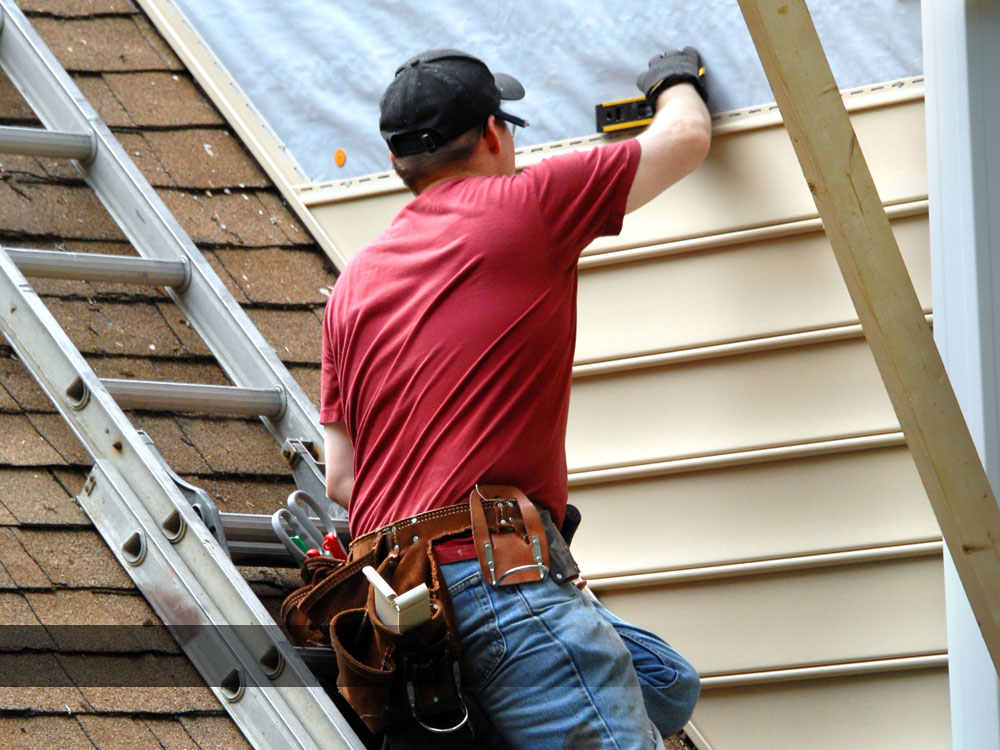
Siding should be checked for cracks, loose pieces, gaps, discoloration, and deteriorated caulk. The right repair depends on the siding material and the source of the damage. Replacing a small section may be enough, but recurring moisture near one area may point to a flashing, gutter, or roof issue that needs to be corrected first.
Driveways and sidewalks deserve regular attention too. Small cracks can widen as water works beneath the surface, and uneven sections can become trip hazards. Pressure washing improves appearance, but it will not solve settlement or structural cracking. When concrete movement is visible, it is better to evaluate the cause than simply cover the symptom.
Protect Interior Spaces From Humidity and Wear
High humidity affects more than comfort. Watch for condensation around windows, mildew in bathrooms, warped flooring, sticky doors, and a persistent musty smell in closets or under sinks. Run bathroom exhaust fans during and after showers, repair slow leaks quickly, and avoid placing furniture tightly against walls that have a history of moisture issues.
Check grout and caulk in showers, tubs, backsplashes, and around sinks. Missing or cracked sealant allows water behind tile and into surrounding drywall or wood. Tile may still look good on the surface while the materials behind it are beginning to fail.
For flooring, act quickly when water reaches laminate, engineered wood, or carpet. Some materials can tolerate a small spill if dried immediately, but standing water or repeated moisture usually requires a closer inspection. The right solution depends on the flooring type, the amount of moisture, and whether the subfloor has been affected.
When to Call a Professional
Some maintenance is well within a homeowner’s comfort zone, such as changing filters, cleaning visible debris, tightening a loose cabinet pull, or testing smoke alarms. Other work calls for the right tools and experience. Roof concerns, recurring leaks, rotten structural wood, unstable stairs or railings, electrical issues, significant drywall damage, and exterior repairs at height should not be treated as weekend experiments.
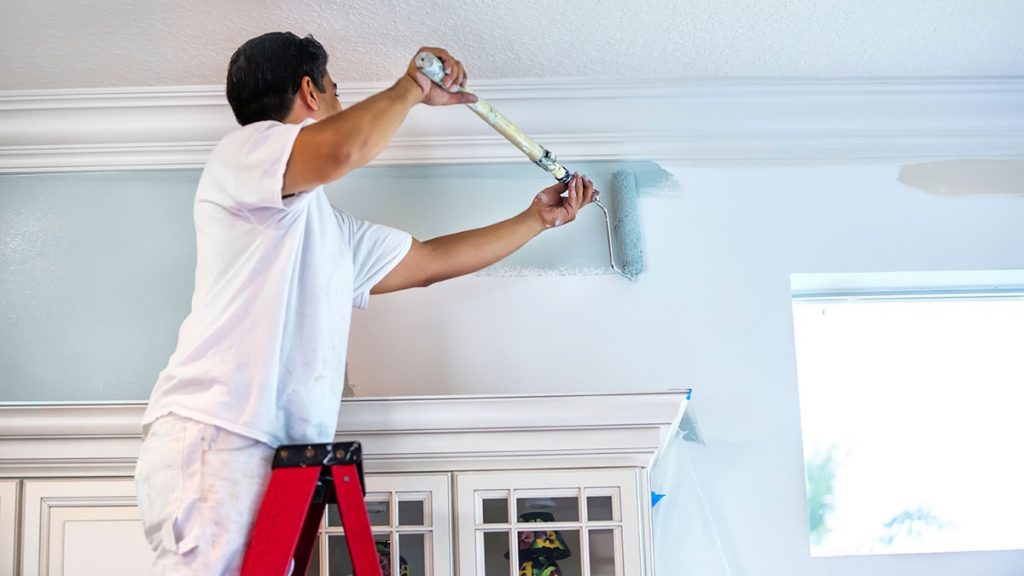
A one-stop provider can be especially helpful when your list includes several trades at once, such as siding repair, pressure washing, fence work, drywall patching, painting, and minor plumbing repairs. Handyman’s Best helps Jacksonville-area homeowners, landlords, and property managers address those connected projects with experienced specialists, clear estimates, and workmanship backed by a minimum one-year warranty.
Keep a simple record of inspections, repairs, paint colors, appliance service, and storm-related damage. It makes future decisions easier, supports property management, and gives you a clearer picture of what needs attention next. A home that is checked regularly is not just easier to maintain – it is a safer, more comfortable place to live and a property better prepared for whatever Florida weather brings.