A loose cabinet hinge, a damaged fence board, and a patch of drywall may look like three small jobs. But the cost can change quickly if each requires a separate visit, different materials, or more involved repairs than expected. If you are asking, “how much does a handyman charge per hour,” the useful answer is not just a number. It is knowing what the rate covers and whether an hourly price is the best way to price your project.
For many routine repair and maintenance tasks in Jacksonville, handyman labor commonly falls in the range of about $50 to $100 per hour. More specialized work, such as finish carpentry, tile repair, extensive drywall work, flooring installation, or exterior repairs involving height and access, can cost more. Some projects are better priced by the job rather than by the hour, especially when the scope is clear.
How Much Does a Handyman Charge Per Hour in Jacksonville?
Hourly rates reflect the skill, tools, insurance, overhead, and experience required to complete work safely and correctly. A lower advertised rate may sound appealing, but it does not always account for the full cost of getting the job done. If the work must be redone, takes longer than expected, or leaves you coordinating another contractor, the original savings can disappear.
A qualified handyman may charge toward the lower end of the range for straightforward tasks such as replacing hardware, hanging shelves, minor caulking, touch-up painting, or simple repairs. Rates often rise for work that calls for a higher level of craftsmanship, specialized tools, detailed prep, or problem-solving behind walls, under flooring, or around exterior structures.
Jacksonville properties also present local considerations. Humidity, heavy rain, salt air near the coast, and hurricane-season wear can affect siding, decks, fences, trim, drywall, and exterior paint. What appears to be a cosmetic repair may involve moisture damage, rot, loose fasteners, or deteriorated materials that need attention before the visible issue can be repaired properly.
Why an Hourly Rate Is Only Part of the Cost
An hourly rate tells you the cost of labor time, but it does not necessarily include materials, delivery fees, permit requirements, specialty equipment, or a service-call minimum. Most established handyman companies have a minimum charge because travel, setup, protection of the work area, and cleanup take time even on a small repair.
For example, repairing a small section of drywall may sound like a one-hour job. In practice, it can involve cutting out damaged material, installing backing, applying compound, allowing it to dry, sanding, priming, and painting. A contractor may need multiple visits to produce a clean, lasting finish. That is why a fixed project quote can be more useful than multiplying a rough hourly rate by a guess.
Materials should also be discussed upfront. A quote may include common fasteners, caulk, and basic supplies, while lumber, tile, paint, replacement fixtures, specialty hardware, or flooring are billed separately. Clear estimates explain this rather than leaving property owners to sort through surprises after work begins.
What Makes Handyman Pricing Go Up or Down?
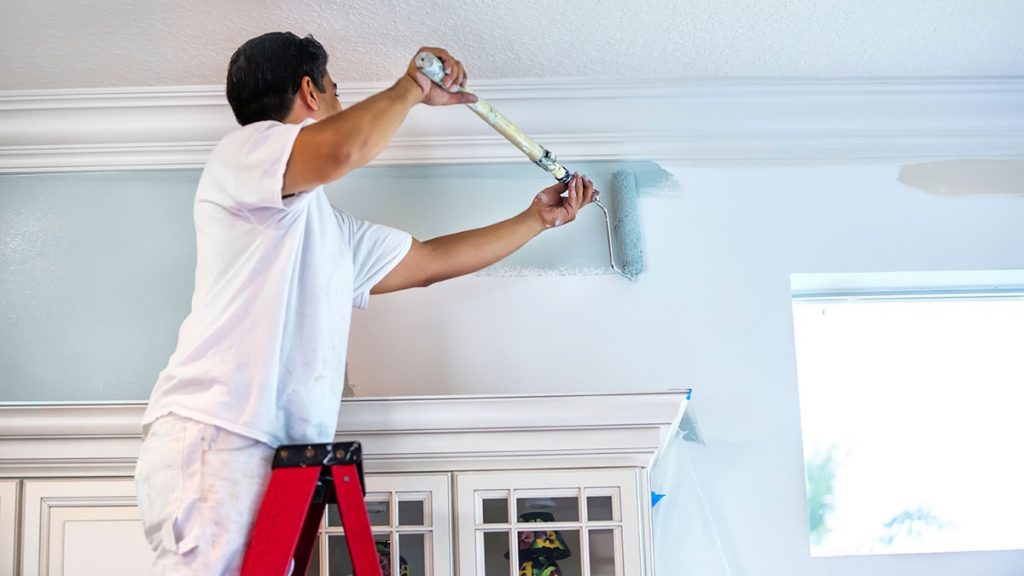
The size of the job matters, but complexity matters more. Replacing one fence picket is different from repairing a leaning fence line with damaged posts. Painting a small room is different from correcting peeling paint, repairing wall damage, protecting flooring, and applying multiple coats for an even finish.
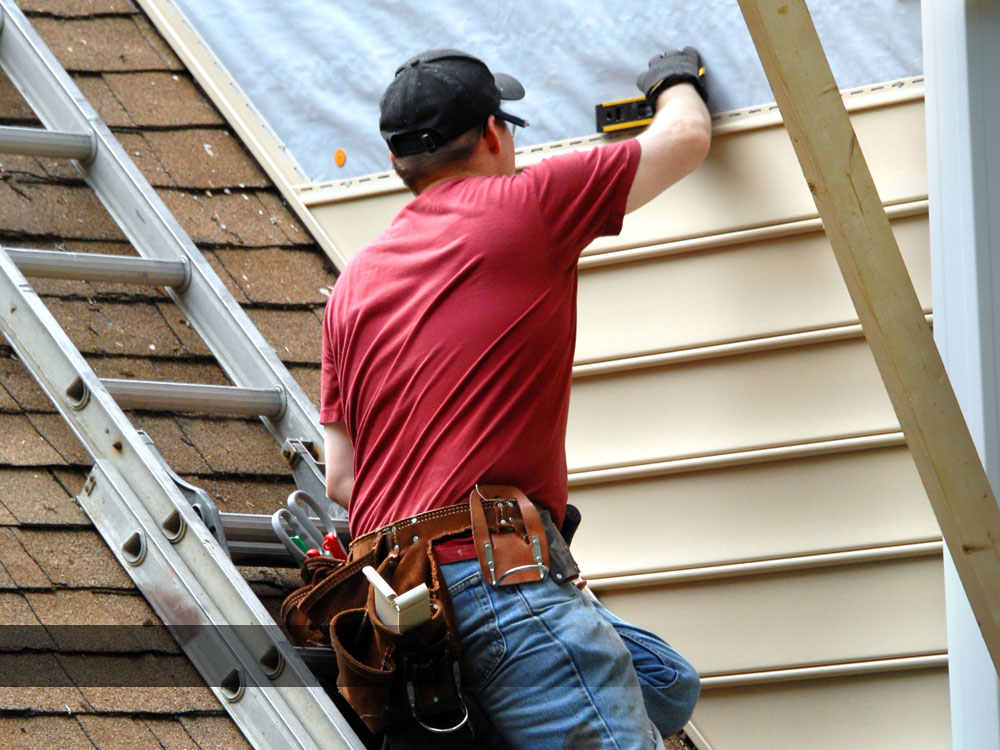
Access can affect the price as well. Work on a second-story exterior, a tight attic space, a steep stairway, or a crowded commercial suite requires more preparation and care. The same is true when a project involves moving furniture, protecting finished surfaces, or working around tenants, customers, pets, or business hours.
The condition of the existing work also matters. Older homes and rental properties sometimes reveal hidden issues after a repair starts. A loose toilet may be caused by worn hardware, but it may also point to damaged flooring around the base. A sagging gate could need a simple adjustment, or it could require post repair and new framing. An experienced professional should explain the condition found, outline the options, and get your approval before expanding the scope.
Hourly Pricing vs. Flat-Rate Estimates
Hourly pricing works well when the project is small or the exact scope is difficult to see in advance. Troubleshooting a minor plumbing issue, tackling a punch list, or making several small repairs in one visit can be a good fit. You pay for the time needed, plus any agreed-upon materials.
A flat-rate estimate is often a better choice for defined projects. Fence repair, deck maintenance, drywall restoration, tile installation, painting, flooring work, and carpentry upgrades usually have enough steps to price as a complete job. You know the expected labor cost before work starts, and the contractor has a clear plan for materials, preparation, installation, and cleanup.
Neither approach is automatically better. The right choice depends on how predictable the work is. A trustworthy contractor will recommend the pricing structure that gives you the clearest expectations, not simply the one that is easiest to quote.
How to Get a Fair Handyman Estimate
Start by describing the result you want, not only the symptom you see. Instead of saying, “My fence is loose,” explain whether you need it secured, straightened, matched to existing materials, or prepared for staining. Photos can help with initial planning, but an on-site review is often the best way to identify damaged materials and access concerns.
Ask whether the estimate is hourly or project-based, what the minimum service charge is, and whether materials are included. It is also reasonable to ask how unexpected repairs are handled. You should know whether the contractor will contact you for approval before completing additional work.
For a list of small tasks, consider grouping them into one appointment. Replacing a few fixtures, repairing door hardware, touching up trim, and addressing minor drywall damage in the same visit can reduce repeated trip and setup costs. It also gives you one reliable point of contact instead of a collection of separate service calls.
Price should be considered alongside workmanship, communication, and protection for your property. Confirm that the company is properly insured, provides a written estimate, and stands behind its work. A warranty and satisfaction commitment offer meaningful peace of mind, particularly for repairs that affect your home’s structure, finish, or daily use.
When a Handyman Is the Right Fit
A skilled handyman is an excellent choice for many repairs, maintenance needs, and improvement projects that do not require a separate specialty trade or major permitting process. Common examples include drywall repair, painting, carpentry, fence and deck repairs, siding repair, flooring installation, tile work, pressure washing, and minor plumbing repairs.
Some projects require a licensed specialist, such as major electrical changes, extensive plumbing alterations, HVAC work, or structural modifications. A dependable handyman company will be straightforward about those boundaries. That honesty protects your property and helps make sure the work follows applicable requirements.
For Jacksonville homeowners, landlords, and property managers, the real value often comes from having one capable team that can address several types of work with consistent communication and careful cleanup. Handyman’s Best brings more than 25 years of experience to interior and exterior projects, with the goal of matching each job to the right specialist and delivering results customers can rely on.
Before comparing hourly rates, make a short list of what needs attention and decide which items can be completed together. A detailed, no-obligation quote gives you a clearer path forward than a bargain number alone, and it helps ensure your repair is handled with the care your property deserves.