A soft spot beneath the roofline, peeling paint near the eaves, or a hole where birds have been nesting is more than a cosmetic problem. Homeowners often ask, who repairs soffit? The right answer depends on what caused the damage, what material is involved, and whether the issue has reached the roof, fascia, siding, or attic.
For many Jacksonville-area properties, a qualified handyman or exterior repair contractor can handle localized soffit repairs. When there is evidence of a roof leak, widespread rot, structural damage, or active pest activity, the project may also require a roofer, pest professional, or a contractor with deeper exterior carpentry expertise. The goal is not simply to cover the damaged area. It is to find and correct the source before the repair is completed.
Who Repairs Soffit on a Home or Commercial Building?
Soffit repair is commonly performed by experienced handymen, finish carpenters, siding contractors, and roofing contractors. The best choice comes down to the scope of work.
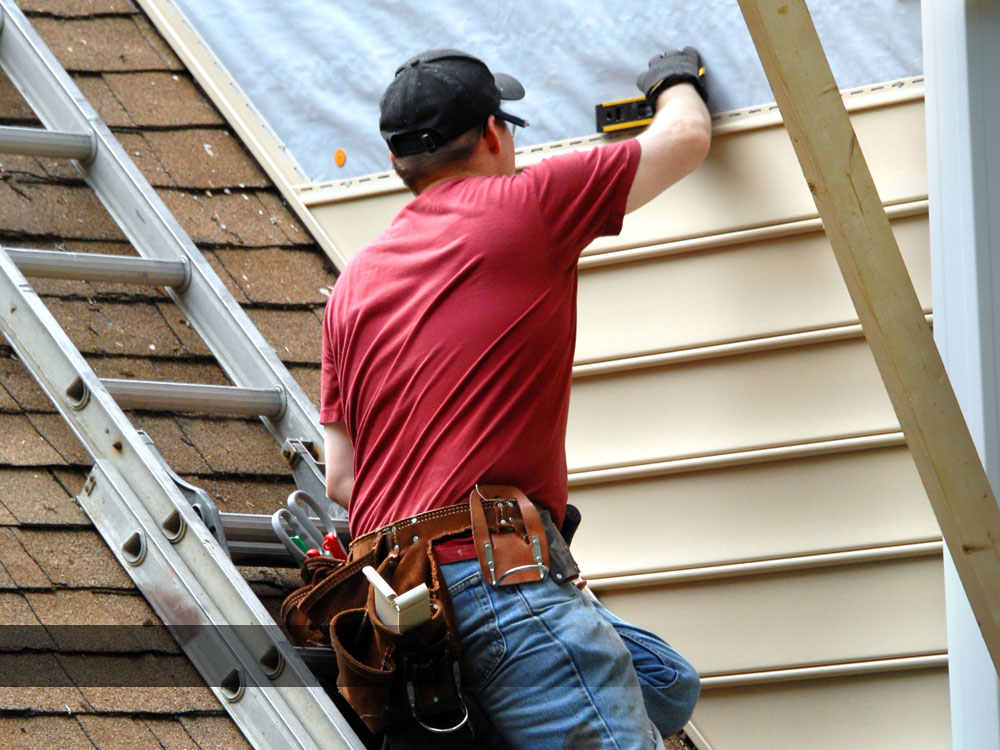
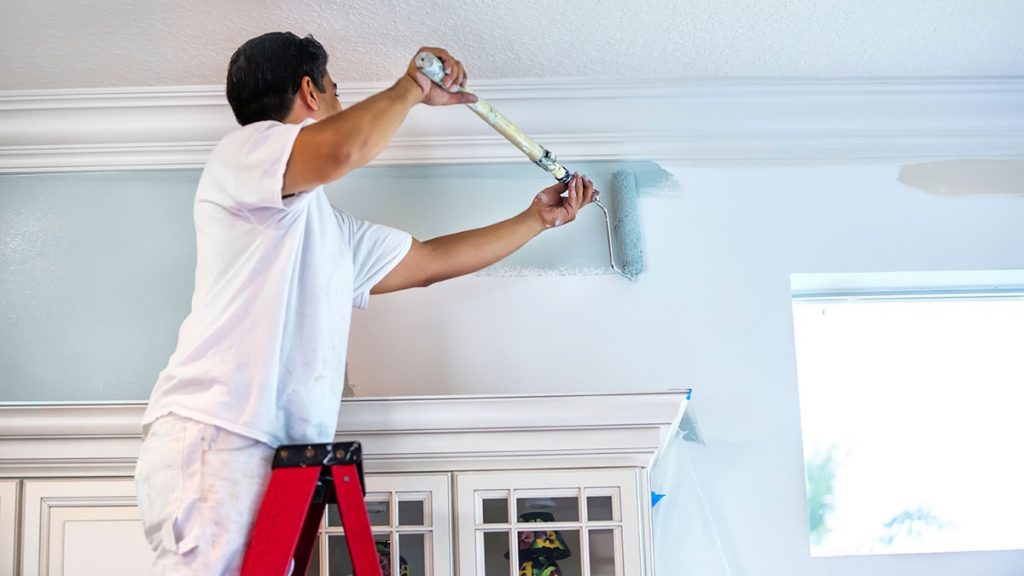
A skilled handyman is often a practical choice for small to medium repairs, such as replacing a few damaged panels, repairing minor wood rot, securing loose soffit, repainting, or replacing a vent cover. This is especially helpful when the property also needs related maintenance, such as fascia repair, siding touch-ups, gutter adjustments, exterior painting, or minor trim work.
A carpenter may be the right specialist when the soffit is wood and the damage involves custom trim, detailed eave construction, or rot that has spread into fascia boards. Carpentry experience matters because soffit boards must fit correctly, remain properly ventilated, and create a clean, finished appearance along the roofline.
A siding contractor is often well suited for vinyl, aluminum, fiber cement, or composite soffit systems. These materials use specific channels, panels, fasteners, and ventilation components. A contractor familiar with the material can match the existing profile and color as closely as possible while making sure the installation is secure.
A roofer should be involved if water is entering from above. Missing shingles, flashing failures, damaged drip edge, clogged gutters, or roof leaks can all lead to sagging or rotted soffit. Replacing the soffit without repairing the roof issue can mean paying for the same work twice.
What a Soffit Repair Professional Should Check
A proper inspection begins with more than the visible hole or stain. Soffit sits at the underside of the roof overhang, where it helps protect the roof framing and supports attic airflow. Because it is close to gutters, shingles, vents, and exterior trim, one damaged section can point to a larger maintenance issue.
The repair professional should look for moisture damage, loose gutters, peeling paint, failed caulk, deteriorated fascia, and gaps where insects, squirrels, birds, or rodents could enter. They should also inspect nearby siding and the roof edge. In Jacksonville’s heat, humidity, heavy rain, and storm season, small openings can worsen quickly when water and wind repeatedly reach exposed wood or fasteners.
Attic ventilation is another key consideration. Many soffit systems include perforated or vented panels that allow fresh air into the attic. Blocking those vents with solid material, insulation, or an incorrect repair can contribute to trapped heat and moisture. A qualified contractor will preserve the needed airflow rather than treating ventilation as an afterthought.
Common Soffit Problems and What They Mean
The appearance of the damage can help determine who should make the repair and how urgent it may be. A single cracked vinyl panel after a storm may be a straightforward replacement. Soft wood, dark staining, or a sagging section usually requires a closer look.
Water Damage and Wood Rot
Rotten soffit usually starts with moisture. Overflowing gutters, roof runoff, failed flashing, or roof-edge leaks can soak the boards over time. Paint may bubble or peel first, followed by soft areas, cracking, and eventually holes.
The damaged material needs to be removed, but the moisture source must be fixed as well. Depending on the cause, that may include gutter repair, roof repair, fascia replacement, sealing gaps, or repainting adjacent trim. Skipping this step can allow rot to return behind a freshly painted surface.
Storm and Wind Damage
High winds can loosen soffit panels, pull down trim, or drive rain into openings around the eaves. After a significant storm, look for panels that rattle, bend, separate from their channels, or hang below the roofline.
Loose soffit is not just an appearance issue. Wind can enlarge the opening, and pests may use it as an access point to the attic. Prompt repair helps keep a small exterior fix from becoming a bigger cleanup or insulation problem.
Pest and Bird Entry
Holes near the eaves are inviting to wasps, birds, squirrels, bats, and rodents. Once an animal has entered, there may be nesting materials, droppings, damaged insulation, or chewed wiring inside the attic. In that situation, pest removal should happen before the opening is permanently sealed.
After the area is cleared, a repair professional can replace the damaged soffit and close entry points with appropriate materials. Simply covering an active nest or trapping an animal inside can create another problem.
Aging Paint and Deteriorated Materials
Wood soffit needs regular protection from moisture and sun. Cracked paint and open caulk joints allow water to reach the wood fibers. Aluminum and vinyl soffit can last a long time, but panels may dent, fade, crack, or come loose as fasteners and supporting trim age.
Sometimes a targeted repair and repainting are enough. If several sections are failing or the original material is no longer available, partial or full replacement may offer a cleaner, longer-lasting result.
When a Handyman Is the Best Choice
A local handyman service is often the right fit when the repair is contained and the property has a few related needs. For example, a homeowner may have a rotted soffit corner, loose gutter hardware, failing fascia paint, and a small section of siding that needs attention. Coordinating separate specialists for every item can be inconvenient and costly.
An experienced exterior handyman can assess the visible damage, explain whether another trade needs to be involved, and complete the carpentry, trim, siding, caulking, and painting work within one organized project. That one-stop approach is particularly useful for landlords and property managers responsible for multiple repair items at a rental or commercial property.
Handyman’s Best serves Jacksonville property owners with practical exterior repair solutions backed by more than 25 years of experience, an A+ BBB accreditation, and a customer-focused approach. For soffit repairs, the team can help identify what is damaged, address related exterior maintenance, and provide a clear estimate before work begins.
When to Call a Roofer or Another Specialist First
There are times when soffit damage should not be treated as a stand-alone repair. Call a roofer first, or have one included in the project, if you see active roof leaks, missing shingles, damaged flashing, recurring stains, or widespread water damage along the roof edge.
Call a pest professional when there is active wildlife or insect activity in the soffit or attic. If damage extends to rafters, roof framing, or large areas of structural wood, an experienced contractor should evaluate the full condition before repairs are scheduled.
This is where a thorough estimate matters. A trustworthy contractor will not promise a simple patch if the visible damage suggests a deeper issue. They should explain what they can confirm, what may need further investigation, and how the repair plan protects your property over the long term.
How to Prepare for a Soffit Repair Estimate
Before requesting an estimate, take note of where the damage appears and when you first noticed it. If possible, mention whether it followed a storm, gutter overflow, roof leak, or pest issue. Photos can help, especially for damage high above the ground, but do not climb a ladder or walk on the roof to get a closer look.
During the estimate, ask whether the contractor will inspect the fascia, gutters, roof edge, and ventilation around the damaged section. Also ask what material will be used, whether painting or color matching is included, and whether the repair comes with warranty coverage. Clear answers help you compare proposals based on workmanship and scope, not just the lowest price.
A damaged soffit is worth addressing before Florida weather, moisture, or pests turn it into a larger repair. A careful inspection and the right local professional can restore the roofline, protect the attic, and give you peace of mind every time you look up at your home or building.