Jacksonville’s heat, humidity, heavy rain, and storm season can turn a small exterior issue into a costly repair faster than many property owners expect. Consistent property maintenance gives homeowners, landlords, and commercial property managers a practical way to catch those issues early, protect their investment, and avoid the stress of an urgent repair call.
For most properties, the goal is not to renovate everything at once. It is to keep the building sound, functional, clean, and presentable while addressing the repairs that can grow worse if they are ignored. A loose fence board, failing caulk line, damaged siding panel, soft deck board, or small drywall stain may seem manageable today. Left alone through another season of rain and moisture, each can lead to more extensive work.
What Property Maintenance Really Covers
Property maintenance is the ongoing work that keeps a home, rental, office, storefront, or other building in good condition. It includes preventive tasks, routine repairs, cleaning, and targeted improvements that preserve safety and appearance.
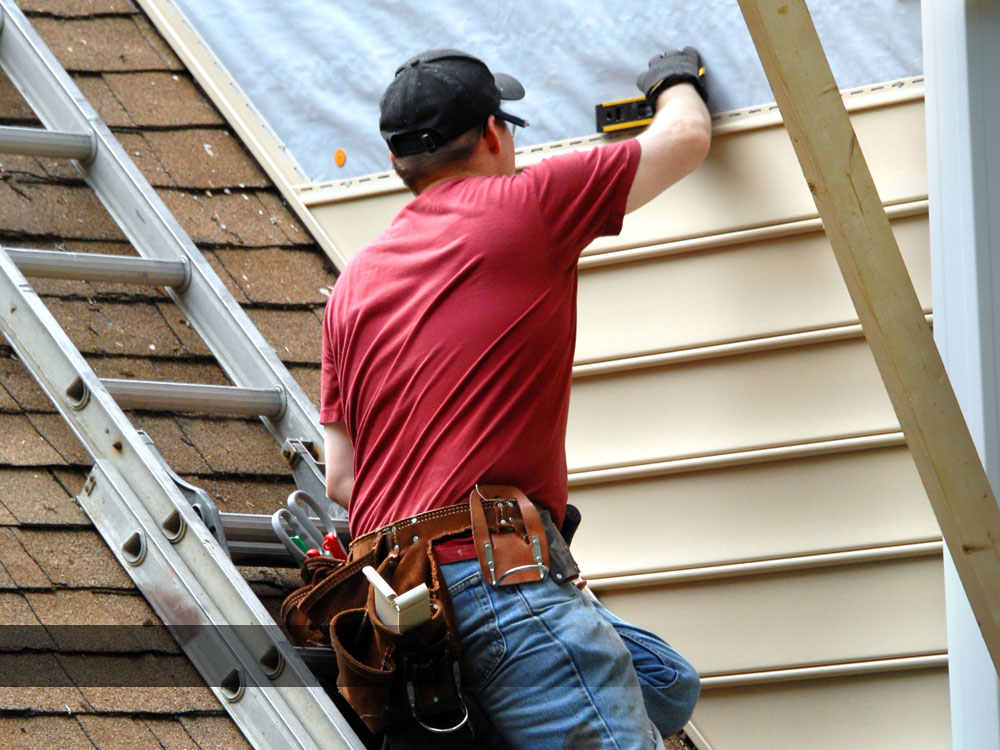
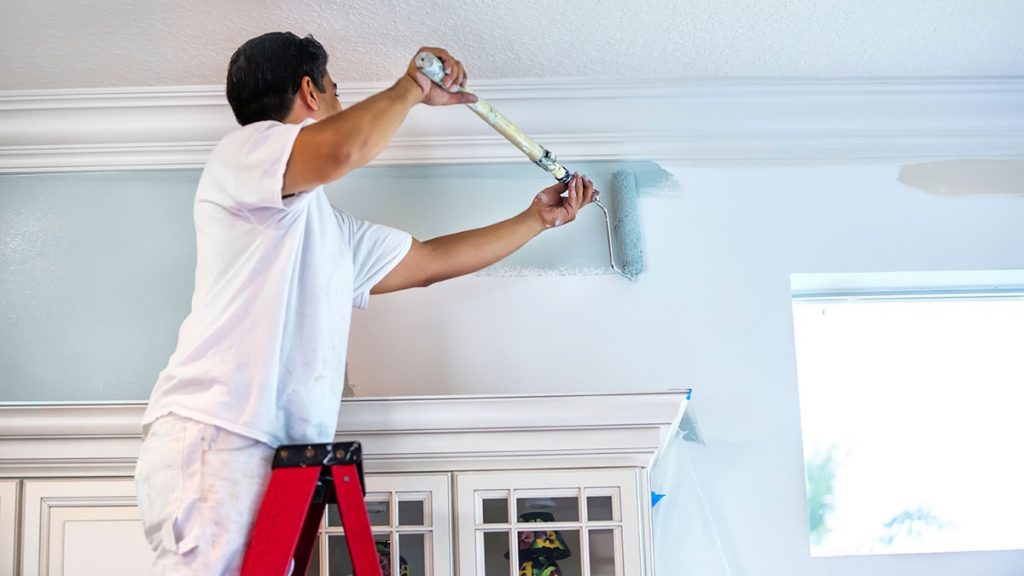
Inside, that might mean repairing drywall after a minor leak, replacing worn flooring, touching up paint, regrouting tile, or correcting small plumbing issues before they damage nearby materials. Outside, it can involve siding repair, fence work, deck maintenance, pressure washing, driveway repairs, and keeping walkways safe for family members, tenants, employees, and visitors.
The right maintenance plan depends on the property. A homeowner may be focused on protecting curb appeal and preventing water damage. A landlord may need quick turnover repairs between tenants. A commercial property manager may prioritize reliable scheduling, clean worksites, and repairs that minimize disruption to customers or staff. In every case, staying ahead of small problems is usually more affordable than waiting for failure.
Start With the Areas That Take the Most Wear
Not every maintenance item has the same urgency. When time and budget are limited, focus first on water, structural condition, safety, and surfaces that receive daily use.
Exterior surfaces and water exposure
Jacksonville weather puts exterior materials to the test. Rain can work its way behind damaged siding, loose trim, failing paint, and cracked sealant. Moisture can also accelerate wood rot on fences, decks, fascia, and sheds.
Walk around the property after a heavy rain when possible. Look for peeling paint, soft wood, warped boards, loose panels, missing caulk, standing water, or staining beneath windows and roof edges. These clues do not always mean a major repair is needed, but they do deserve a closer look before the damage spreads.
Pressure washing can also be a useful part of exterior upkeep when it is done correctly. Removing mildew, dirt, and buildup helps exterior surfaces look cared for and may reveal cracks, damage, or deteriorating paint that was hidden beneath grime. It is not a substitute for repair, though. A clean fence or siding wall still needs attention if boards are rotted or materials are loose.
Decks, fences, and outdoor structures
Outdoor structures often show their age gradually. Fence posts can shift, gates can sag, deck boards can split, and handrails can become loose. Because these features are exposed year-round, small repairs should be handled before they affect the whole structure.
A deck with one soft board may need a focused repair. A deck with widespread rot, unstable railings, or deteriorated framing may call for a broader assessment. The same principle applies to fences. Replacing a few damaged pickets is sensible when the posts and rails are solid. If multiple posts are failing, repeated patchwork may cost more over time than a properly planned rebuild.
Interior wear and minor damage
Interior maintenance is often postponed because it feels less urgent. But scuffed walls, cracked tile, damaged trim, sticking doors, and worn flooring affect how a property feels to the people using it. For rental and commercial spaces, these details can also affect tenant satisfaction and customer impressions.
Drywall damage deserves special attention when it may be connected to moisture. A stain, bubbling paint, or soft area can signal a past or active leak. Repairing the wall without identifying the source may only cover up a problem that returns later. A qualified maintenance professional can help determine whether the issue is cosmetic or whether a minor plumbing repair or exterior repair needs to happen first.
A Seasonal Approach Makes Maintenance Easier
Property maintenance does not have to become a long weekend of chasing every item on a to-do list. Breaking work into seasonal check-ins makes it more manageable and helps property owners budget for repairs before they become emergencies.
In spring and early summer, inspect exterior paint, siding, fences, decks, walkways, and drainage areas. This is also a good time to address mildew buildup and make sure doors, gates, and exterior hardware operate properly. Before the wettest parts of the year, pay close attention to caulk, trim, wood surfaces, and any place where water could enter the building.
After major storms, take another look around. Check for fallen branches, shifted fence sections, water intrusion, loose materials, and new cracks in concrete or walkways. If you manage rental or commercial property, encourage tenants or staff to report issues quickly. A simple report about a dripping fixture, loose handrail, or door that will not close can prevent a bigger disruption.
During cooler months, homeowners often choose to tackle indoor projects such as painting, flooring installation, drywall repair, tile work, and carpentry upgrades. These projects can improve comfort and appearance while giving you a chance to correct the small defects that have accumulated over the year.
Know When a Small Repair Needs a Professional
Some property tasks are well suited to a handy owner, such as changing filters, cleaning surfaces, or tightening a visible screw. Other work benefits from experienced craftsmanship, especially when it involves structural wood, water-damaged materials, flooring, siding, walkways, or a repair that has already been attempted once.
The trade-off is straightforward: doing a simple task yourself may save money, but an incorrect repair can create more damage or leave the original problem unresolved. For example, painting over peeling exterior paint without repairing the moisture source will not make the surface last. Replacing tile without addressing a soft subfloor can lead to new cracks. Patching drywall over an active leak can hide the warning signs until the repair becomes more involved.
A reliable contractor should explain what they see, recommend an appropriate scope of work, and provide a clear estimate before the project begins. Property owners should not feel pressured into a larger project than the condition requires. Sometimes a focused repair is the right answer. Other times, replacing a failing component is the better long-term value.
Why One Trusted Service Partner Helps
Deferred maintenance tends to create a scattered list: a fence gate that will not latch, a wall that needs repair, exterior trim that needs painting, a loose deck rail, and a cracked walkway section. Coordinating separate contractors for every item can take more time than the work itself.
Working with a one-stop property improvement team can simplify the process. Instead of explaining the property’s needs repeatedly, you can organize related repairs into a practical plan and schedule work with one dependable point of contact. This approach is particularly helpful for landlords and property managers who need consistent communication, clean completion, and repairs performed with respect for tenants and business operations.
Handyman’s Best brings more than 25 years of experience to residential and commercial projects throughout Jacksonville and Northeast Florida. With skilled specialists for carpentry, drywall, tile, flooring, painting, fencing, siding repair, pressure washing, minor plumbing repairs, and more, the team can help property owners move from a growing list of concerns to a clear plan of action.
Protect the Value You Have Built
Good property maintenance is not about chasing perfection. It is about making timely decisions that keep your property safe, useful, and welcoming. Address the water-related issues first, do not ignore changes in wood or exterior surfaces, and make a habit of looking closely after storms and before seasonal shifts.
If your property has a list of repairs that keeps getting pushed aside, a professional assessment and a no-obligation quote can bring clarity. Taking care of the next needed repair now can provide real peace of mind when the next heavy rain, tenant turnover, or busy workweek arrives.