A soft spot near the back door, a ceiling stain that seems a little larger each month, or a fence gate that no longer closes properly can all start as small frustrations. Left alone, they can become expensive house repairs that affect comfort, safety, curb appeal, and property value. In Jacksonville, heat, heavy rain, humidity, and hurricane-season weather can speed up that process.
The good news is that most repair problems give property owners warning signs. Knowing what to address first helps homeowners, landlords, and property managers make smart decisions instead of waiting for a minor issue to turn into a major project.
Start House Repairs With What Can Cause More Damage
Not every item on a repair list has the same urgency. A scratched wall may be bothersome, but active water intrusion, damaged structural wood, loose exterior materials, or an electrical concern deserves attention first. The most practical approach is to prioritize repairs by the risk of damage spreading.
Water is usually the first concern. A small leak under a sink can damage cabinet bases and flooring. A failing section of siding can allow moisture behind exterior walls. Cracked grout or loose tile around a shower may let water reach the materials underneath. In Florida’s humid climate, moisture problems can also create conditions for mold and rot.
Safety comes next. Loose stair treads, unstable handrails, damaged deck boards, uneven sidewalks, and fences with leaning posts can lead to injuries or liability concerns. This is especially important for rental homes, commercial properties, and homes where children, older adults, or frequent guests use the space.
After water and safety concerns are under control, focus on repairs that protect the property from weather and daily wear. Caulking gaps, repairing damaged trim, replacing deteriorated boards, maintaining paint, and correcting small drywall damage are often less costly when completed early.
Look Closely at the Exterior
Exterior maintenance is one of the best ways to avoid preventable repair costs. Jacksonville properties face intense sun, seasonal downpours, moisture, and wind. Those conditions can wear down surfaces that may look fine at a quick glance.
Siding, Trim, and Paint
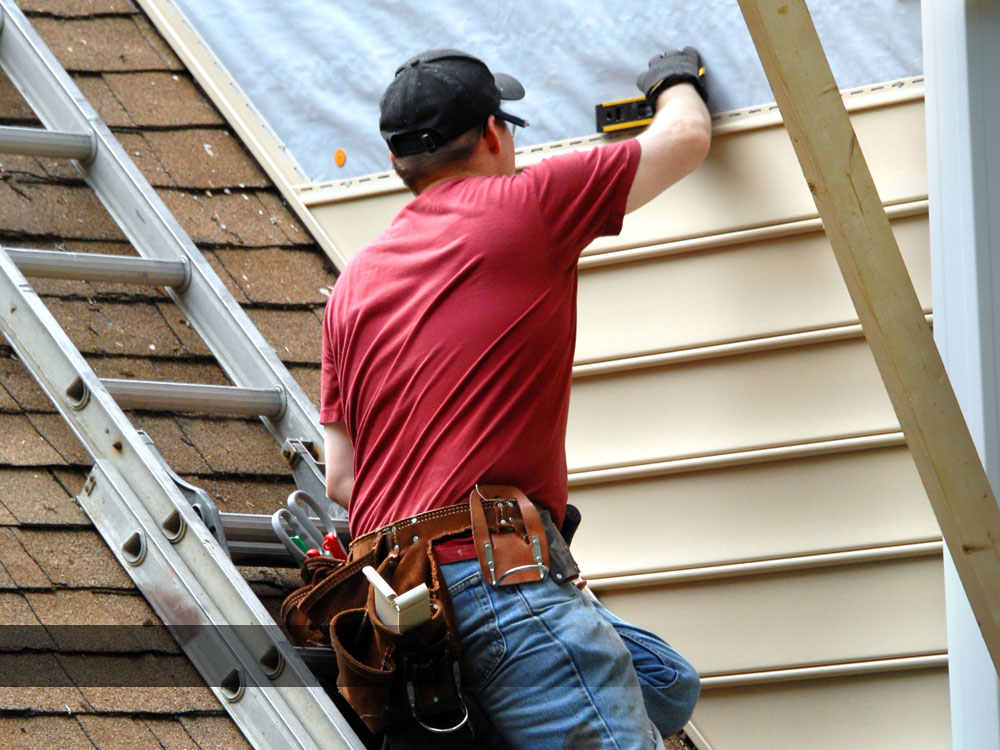
Peeling paint is not only a cosmetic issue. It can expose wood trim and siding to moisture. Look for cracked caulk around windows and doors, soft or discolored wood, warped boards, and paint that bubbles or flakes. These are signs that the protective exterior finish may be failing.
The right repair depends on the condition of the material. Sometimes a small area of trim can be repaired and painted. In other cases, damaged siding sections need replacement to stop water from reaching the wall system. A careful inspection helps avoid replacing more material than necessary while making sure the underlying problem is addressed.
Decks, Fences, and Gates
Wood structures deserve regular attention because their problems often begin where boards meet fasteners or touch the ground. Check deck boards for soft spots, splintering, popped nails, and movement around railings. Fences should be checked for loose posts, broken pickets, sagging gates, and hardware that no longer holds securely.
Pressure washing can improve appearance, but it is not a substitute for repair. Washing a weathered deck or fence may reveal cracked boards, loose connections, or areas that need sealing or replacement. Addressing those issues before staining or painting helps the finished work last longer.
Driveways and Walkways
Small cracks in concrete can grow as water enters and the ground shifts. Uneven sections can become trip hazards, while crumbling edges can make a driveway look neglected. A repair professional can help determine whether a surface needs patching, leveling, or more extensive work. The answer depends on the cause, not just the visible crack.
Interior Problems Rarely Stay in One Room
Inside the home, repairs often have a way of crossing categories. A water mark on drywall could be a plumbing issue, a roof issue, or condensation from an HVAC-related concern. A loose bathroom tile may point to a failed backing material. A door that will not latch may be caused by settling, hinge wear, or moisture-related swelling.
That is why surface-level fixes are not always enough. Repainting over a stain without correcting the leak only delays the next repair. Reattaching a loose baseboard without addressing moisture behind it can hide a bigger concern. Skilled repair work begins with identifying what caused the damage.
Drywall and Ceiling Repairs
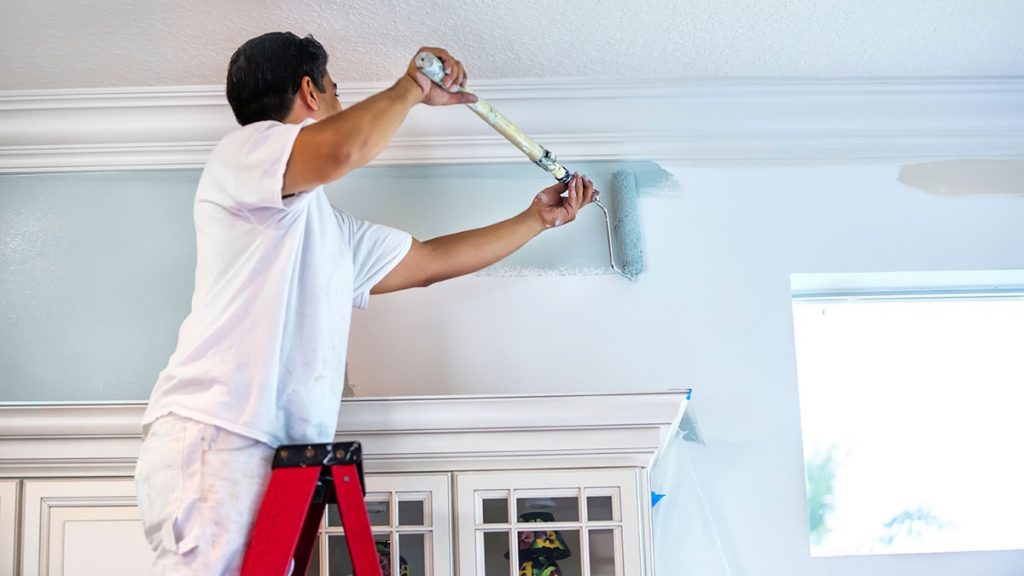
Drywall damage can range from minor dents and nail pops to holes, cracks, and water damage. Small cosmetic repairs can make a room feel finished again, particularly before listing a property, welcoming tenants, or completing a renovation.
Water-damaged drywall requires more care. The moisture source should be corrected first, and affected material may need removal if it has lost strength or shows signs of ongoing dampness. Once the area is dry and stable, proper patching, texture matching, priming, and painting create a clean result rather than a noticeable repair spot.
Flooring and Tile
Flooring problems deserve prompt attention because they affect everyday use. Loose planks, cracked tiles, curling vinyl, or soft areas beneath flooring can create tripping hazards and allow damage to spread. In bathrooms, kitchens, and entryways, moisture is often part of the equation.
A successful flooring repair considers what is below the finished surface. Replacing a few tiles may be appropriate when the substrate is sound. If tiles are repeatedly cracking or loosening, however, the floor may need a deeper evaluation. Spending a little more to correct the base problem can prevent paying twice for the same repair.
Know When a Small Job Needs a Professional
Some property maintenance tasks are reasonable for a confident owner, such as replacing a cabinet pull or touching up a small paint scuff. Other projects involve tools, materials, or conditions where experience makes a meaningful difference.
Professional help is a smart choice when a repair involves recurring water damage, structural movement, a deck or fence safety concern, tile or flooring removal, exterior wood rot, substantial drywall work, or multiple trades. It is also helpful when a property owner has several unrelated tasks waiting at once. Coordinating separate specialists for carpentry, painting, minor plumbing, drywall, and exterior repairs can be time-consuming and difficult to schedule.
A dependable one-stop service provider can evaluate the full list, explain priorities, and complete related work in the right order. For example, repairing damaged siding before painting, correcting a plumbing leak before restoring drywall, or replacing rotted fence posts before installing new pickets produces a better long-term result.
Plan Repairs Around Your Property Goals
The best repair plan depends on how you use the property. A homeowner preparing for guests may prioritize visible improvements such as painting, drywall patches, flooring updates, and fence repairs. A landlord may need safe, durable fixes that protect the home between tenants. A commercial property manager may be focused on maintaining a professional appearance, reducing disruptions, and addressing hazards before they affect customers or employees.
It also helps to think in seasons. Exterior repairs and painting are easier to schedule before weather damage worsens. Deck and fence work may be best completed before outdoor entertaining season. Interior projects can often be planned around occupancy, holidays, or business hours.
When requesting an estimate, provide a clear description of what you see, when it began, and whether it has changed. Photos can be useful, but an in-person evaluation is often the best way to understand the scope of work. A clear quote should explain the repair approach so you know what is being addressed and why.
Choose Workmanship That Gives You Peace of Mind
Price matters, but the lowest estimate is not always the lowest cost over time. A repair that skips preparation, uses unsuitable materials, or covers up the source of damage can fail quickly. Look for an experienced local contractor that communicates clearly, respects the property, provides a detailed estimate, and stands behind completed work.
For Jacksonville-area owners with a growing repair list, Handyman’s Best brings more than 25 years of experience across carpentry, drywall, tile, flooring, painting, siding, decks, fences, pressure washing, minor plumbing repairs, and general improvements. An A+ BBB accreditation, a 100% satisfaction guarantee, and a minimum one-year warranty provide added reassurance that the work will be handled with care.
A home or commercial property does not need to be perfect to be well maintained. Start with the issue that can cause the most harm, get a clear professional opinion when the cause is uncertain, and take care of the next small repair before it becomes the one that interrupts your plans.