A loose handrail, a stained ceiling tile, and a clogged exterior drain can look like separate minor issues. In a commercial property, they are often early warnings that maintenance is falling behind. This commercial building maintenance guide helps Jacksonville property managers and business owners build a practical plan that protects their building, their budget, and the people who use the space every day.
Commercial maintenance is not just about reacting quickly when something breaks. It is about noticing wear before it turns into water damage, safety concerns, tenant complaints, disrupted operations, or a much larger repair bill. Florida heat, humidity, heavy rain, and hurricane-season weather add pressure to roofs, exterior paint, siding, drainage, walkways, fencing, and interior systems.
Start With a Clear Building Maintenance Plan
The best maintenance plan is one your team can actually follow. It should identify the building areas that need regular attention, assign responsibility, set inspection intervals, and document what was found and repaired. A simple shared checklist is often more useful than an overly complicated system that no one updates.
Begin with a walk-through of the entire property. Look at the building from the parking area to the roofline, then move through common areas, restrooms, offices, service rooms, and exterior spaces. Take photographs of existing conditions, especially cracks, loose materials, water stains, damaged trim, peeling paint, worn flooring, and drainage trouble spots. These photos create a useful baseline for future inspections.
It also helps to separate maintenance into three categories: routine upkeep, planned repairs, and urgent issues. Routine work includes cleaning, touch-up painting, pressure washing, and tightening loose hardware. Planned repairs may include replacing damaged drywall, repairing siding, refinishing a deck, or addressing uneven sidewalk sections. Urgent issues involve active leaks, trip hazards, broken doors, exposed materials, or anything that could affect safety or business operations.
Inspect the Exterior Before Small Problems Spread
The exterior is your first line of defense against Northeast Florida weather. A building may look acceptable from the street while moisture is working behind loose siding, around window trim, or beneath failed caulking. Regular inspections are less expensive than repairing hidden rot, mold-related damage, or compromised wall surfaces later.
Rooflines, Gutters, and Drainage
After major storms and during seasonal inspections, check roof edges, gutters, downspouts, and drainage paths. Leaves, debris, and standing water can send rain where it does not belong. Water that repeatedly spills near the foundation, entryways, sidewalks, or parking areas can create erosion, staining, slippery surfaces, and interior moisture problems.
Pay attention to ceiling stains inside the building, even if they appear dry. A stain can point to an old leak, but it can also reveal a recurring issue around flashing, a roof penetration, or an overflowing gutter. Address the source before repairing and painting the interior surface.
Siding, Paint, Trim, and Masonry
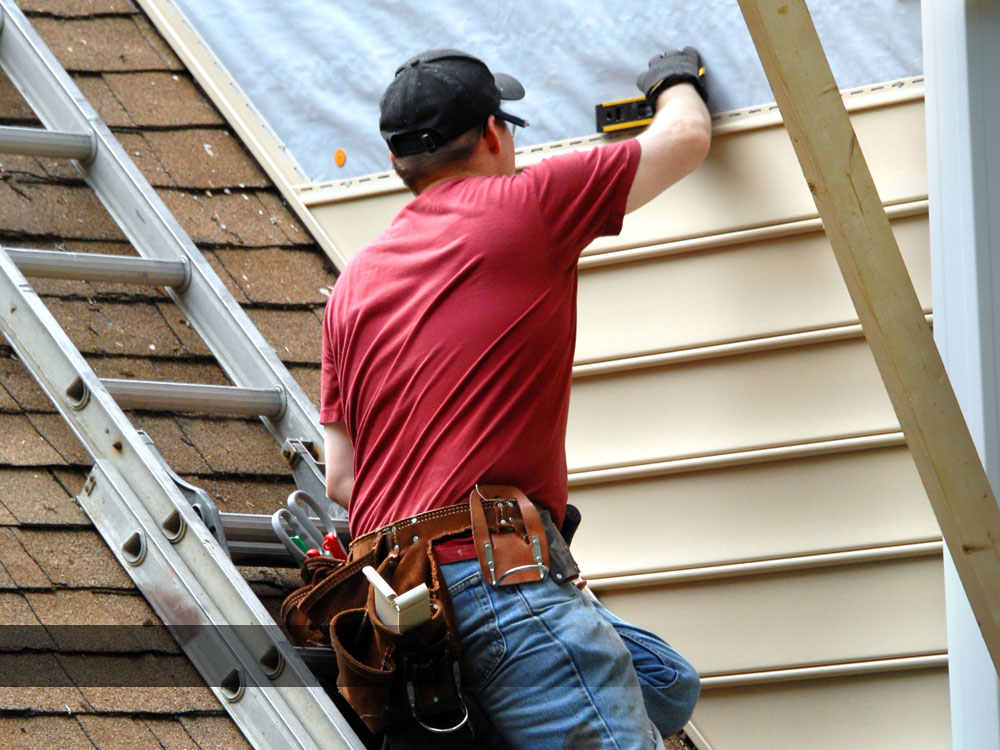
Peeling paint is more than a cosmetic concern in Florida. It can leave wood trim and exterior materials exposed to moisture and sun. Check for cracked caulk, soft wood, loose boards, damaged siding, and gaps around doors and windows. Repairs made early are usually more contained and easier to schedule around tenants or customers.
Masonry, concrete, and stucco surfaces deserve the same attention. Small cracks do not always mean structural failure, but they should be monitored. If a crack grows, allows water intrusion, or appears alongside movement in doors, windows, or flooring, it is time for a closer assessment.
Walkways, Parking Areas, Fences, and Common Spaces
A safe property experience begins before someone enters the building. Inspect sidewalks, curbs, stairs, ramps, handrails, exterior lighting, and entry points for trip hazards or loose components. Cracked concrete, raised edges, loose pavers, and deteriorated driveway sections can become liability concerns if left untreated.
Fences, gates, decks, and exterior storage areas also need regular attention. Wood can rot, fasteners can loosen, and gate hardware can fail from heavy use and weather exposure. Pressure washing can improve appearance, but it should be paired with a close inspection for damaged surfaces that cleaning alone will not fix.
Keep Interior Spaces Functional and Professional
Commercial interiors take steady wear from employees, visitors, deliveries, furniture moves, and day-to-day operations. A polished space supports tenant satisfaction and gives customers confidence in the business. More importantly, it helps catch problems that may be hidden behind finishes.
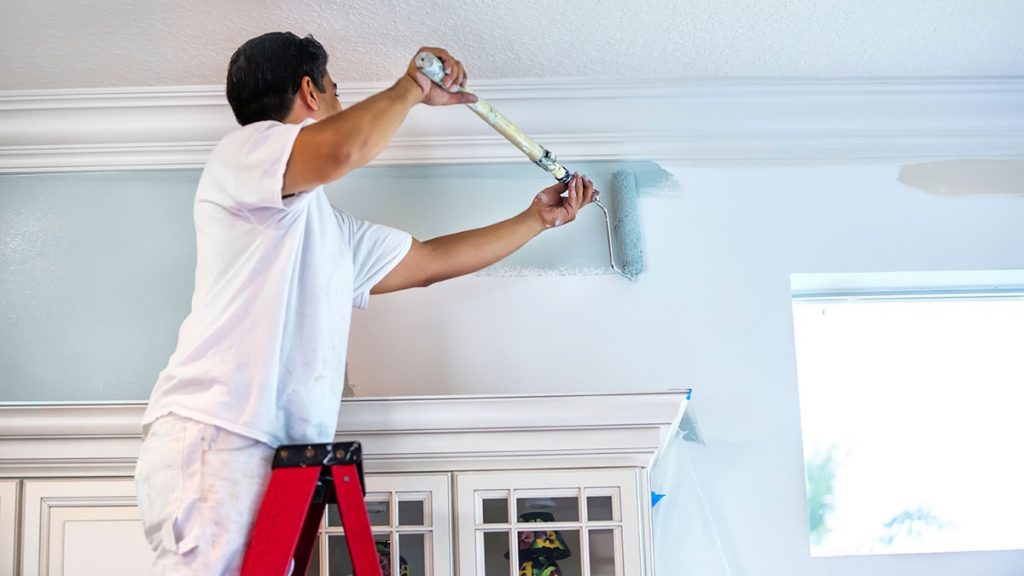
Check walls and ceilings for dents, cracks, bubbling paint, stains, or soft spots. Drywall damage near restrooms, break rooms, plumbing fixtures, or exterior walls may signal a moisture issue. Repairing the drywall without correcting the cause only postpones the problem.
Flooring should be inspected for loose tiles, torn carpet, lifting edges, worn transitions, and areas that become slick when wet. The right repair depends on the material and the location. A busy entryway may need a more durable solution than a private office, while a restroom floor requires special attention to moisture and slip resistance.
Doors and hardware are another common source of avoidable frustration. Test doors for smooth closing, proper latching, damaged hinges, loose closers, worn weatherstripping, and misaligned frames. A door that sticks may seem minor, but it can affect accessibility, security, energy efficiency, and the daily experience of everyone entering the building.
Use a Seasonal Schedule That Fits Jacksonville Weather
Maintenance timing should reflect how your property is used and what the weather puts it through. A retail center with constant foot traffic will need more frequent inspections of entryways and restrooms than a lightly used office building. An older building may need closer monitoring than a newer one. There is no single schedule that fits every property, but consistency matters.
A practical year-round schedule can include the following work:
- Monthly: Walk common areas, entrances, restrooms, parking surfaces, lighting, doors, and visible plumbing fixtures. Note safety concerns and signs of water intrusion.
- Quarterly: Inspect exterior paint, siding, trim, fencing, drainage, caulking, flooring transitions, and high-use interior finishes.
- Before hurricane season: Clear drainage routes, inspect exterior fasteners and fencing, repair loose siding or trim, and identify areas where water has collected in the past.
- After severe weather: Check for fallen debris, roofline damage, clogged gutters, new leaks, damaged walkways, and standing water.
- Annually: Review deferred repairs, refresh worn paint, evaluate major exterior surfaces, and set a budget for improvements before conditions worsen.
The goal is not to spend money on work that is unnecessary. It is to make informed decisions before a small repair forces an emergency response. Planned work is easier to price, easier to coordinate, and less likely to interrupt business.
Budget for Repairs Instead of Chasing Emergencies
A maintenance budget should include more than the obvious large projects. Set aside funds for recurring touch-ups, minor carpentry, drywall repairs, painting, tile replacement, pressure washing, fence repairs, and sidewalk or driveway concerns. These are the jobs that often get delayed because they do not feel urgent, even though they affect appearance and can become more expensive over time.
When reviewing estimates, ask what is included in the scope of work, what condition is being repaired, and whether there are likely related issues behind the visible damage. The lowest price is not always the best value if it leaves preparation, cleanup, material quality, or the actual source of the problem unaddressed.
For occupied properties, timing matters too. A repair that takes place after hours or in phases may cost more than unrestricted access, but it may be the better choice if it limits disruption to tenants, employees, or customers. Good maintenance planning weighs cost against operational impact.
Work With the Right Local Maintenance Partner
Commercial properties often need a wide range of small-to-medium repairs that do not justify coordinating several specialty contractors. That is where a dependable, broad-scope maintenance partner can save time. The right team can address carpentry, drywall, flooring, tile, painting, siding, fencing, pressure washing, and minor repair needs while keeping communication straightforward.
Look for clear estimates, responsive scheduling, clean work habits, and a willingness to explain what the property needs in plain language. Experience matters, but so does follow-through. Handyman’s Best brings more than 25 years of experience, an A+ BBB accreditation, a satisfaction guarantee, and warranty-backed workmanship to commercial maintenance and improvement projects across Jacksonville and surrounding communities.
A well-maintained building rarely gets that way through one major project. It stays in good condition because someone notices the small details, makes thoughtful repairs, and keeps the next issue from becoming an expensive surprise.