A repaired fence should stay secure after the crew leaves. Fresh tile should remain properly set. A patched drywall surface should not crack because the repair was rushed. That is why handyman warranties matter: they give property owners a clear path forward if a workmanship issue shows up after a project is complete.
For Jacksonville homeowners, landlords, and commercial property managers, a warranty is more than a line at the bottom of an estimate. It is a sign that the contractor stands behind the work. Still, not every warranty covers the same things, and the wording can make a real difference when a repair involves weather exposure, aging materials, or an existing condition hidden behind a wall.
What Handyman Warranties Are Designed to Protect
A handyman warranty generally covers defects in the contractor’s workmanship for a stated period. In plain terms, if the work was completed incorrectly and that error causes a problem, the contractor should return to evaluate and correct the issue under the warranty terms.
For example, a workmanship warranty may apply if newly installed trim separates because it was not properly fastened, a fence gate will not latch because it was installed out of alignment, or a drywall repair fails due to improper finishing techniques. The key question is whether the problem resulted from the contractor’s work rather than ordinary wear, outside damage, or a product failure.
This distinction matters because a property improvement project includes more than labor. It may involve existing framing, underground conditions, plumbing components, building movement, moisture, customer-supplied materials, and products made by other manufacturers. A fair warranty identifies what the contractor controls and accepts responsibility for that work.
Workmanship Coverage and Material Warranties Are Different
Many property owners understandably hear the word “warranty” and assume everything connected to a project is covered. Usually, there are two separate forms of protection: workmanship coverage from the contractor and product coverage from the manufacturer.
A contractor’s workmanship warranty addresses the installation or repair itself. If flooring was installed incorrectly, for instance, the contractor may be responsible for correcting labor-related defects. A manufacturer warranty addresses a defect in the flooring product, such as a material that fails despite proper installation.
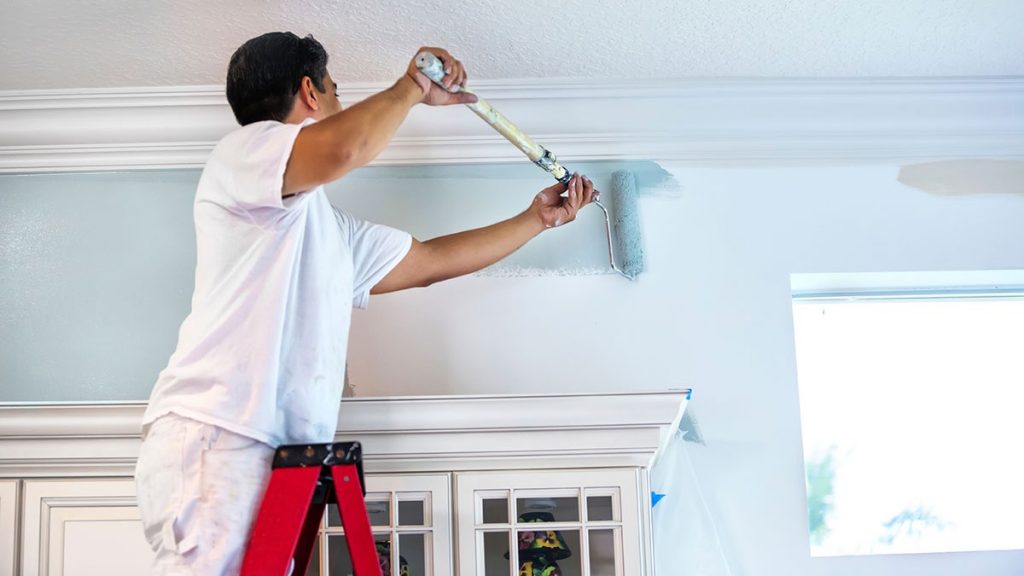
The difference can affect how a concern is handled. If paint peels because a surface was not properly prepared, that points to workmanship. If a factory defect causes a new faucet cartridge to fail, the manufacturer may control replacement coverage, while labor coverage depends on the project terms. With customer-supplied materials, the contractor may be able to warrant installation but not the quality, fit, or availability of the product itself.
Ask about both types of coverage before work begins, especially for larger projects involving decking, siding, flooring, tile, fencing, or fixtures. Clear expectations prevent a frustrating conversation later.
What a Good Warranty Should State Clearly
A reliable contractor should be comfortable explaining warranty coverage before you approve the estimate. You do not need legal jargon. You need direct answers about what is covered, how long it lasts, and what to do if a concern arises.
A written warranty should identify the scope of work it applies to. If a project includes fence repairs and a separate pressure-washing service, the terms may differ because those services have different expected results and exposure to the elements. It should also state the warranty period, whether corrective work includes labor and materials, and whether any conditions must be met to keep the coverage in effect.
The exclusions deserve just as much attention as the promise. Most legitimate warranties will not cover storm damage, vehicle impact, misuse, lack of maintenance, normal aging, settling, shifting structures, pest damage, or problems caused by a pre-existing condition. In Northeast Florida, wind-driven rain, high humidity, intense sun, soil movement, and hurricane-related damage can affect exterior features long after a repair is finished. A warranty should not pretend those risks do not exist.
That does not make a warranty less valuable. It makes it more honest. The goal is to know the difference between a problem caused by faulty work and one caused by circumstances no contractor can control.
Why the Scope of Work Matters So Much
The strongest warranty begins with a detailed estimate. Vague descriptions such as “repair deck” or “fix wall” leave too much room for confusion. A better scope explains what will be repaired, replaced, prepared, installed, or finished.
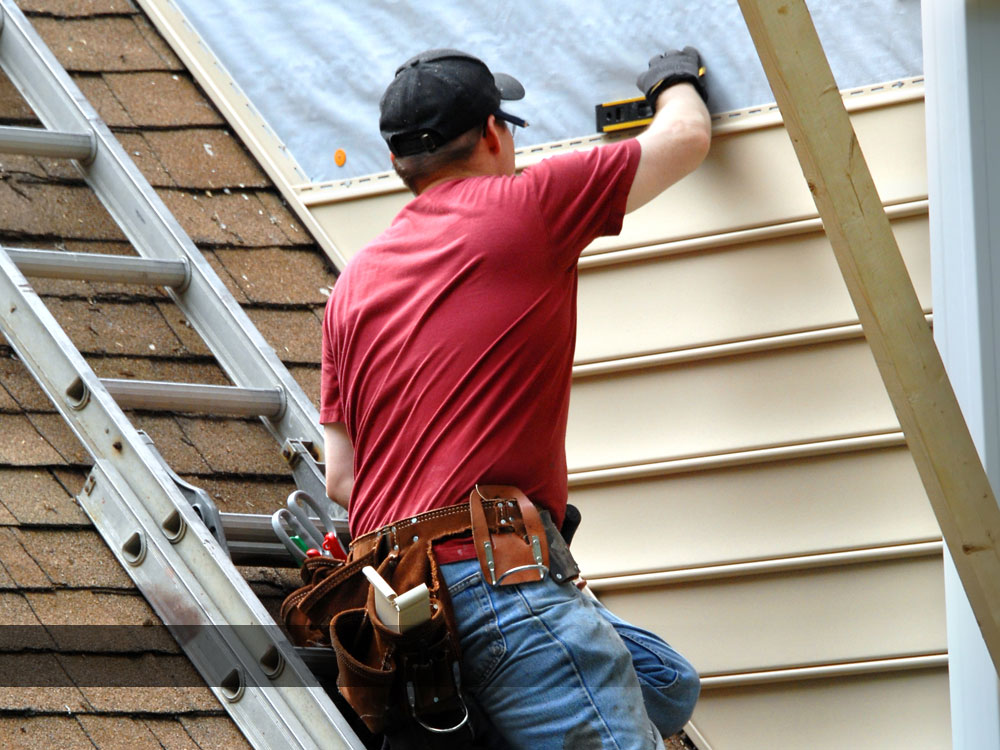
Consider a siding repair. If the estimate covers replacing several damaged boards and sealing the affected area, the warranty applies to that defined repair. It does not necessarily cover hidden rot in untouched sections of the wall, water intrusion from a failing roof, or future impact damage from landscaping equipment. Likewise, repairing a leaking pipe connection does not guarantee every aging pipe in the building.
Property owners should also be realistic about repair versus replacement. Sometimes a skilled repair is the practical choice and can provide years of useful service. Other times, widespread deterioration means a limited repair cannot reasonably perform like a brand-new installation. A dependable contractor will explain that trade-off upfront rather than making promises the project cannot support.
Questions to Ask Before Hiring a Handyman
Before choosing a contractor, ask how long the workmanship warranty lasts and request that the terms be included with the estimate or final paperwork. Ask what happens if you notice a problem, who will inspect it, and how promptly the company typically responds.
It also helps to ask whether the contractor uses employees, qualified specialists, or subcontractors for particular trades. Broad handyman work is valuable because it can simplify a long property to-do list, but the work still needs the right level of skill. Tile installation, finish carpentry, deck repairs, drywall work, flooring, and minor plumbing repairs each have details that affect long-term results.
For rental and commercial properties, ask how warranty service will be coordinated when tenants, staff, or building access are involved. A good local contractor understands that a correction may need to be scheduled around occupied units, business hours, or safety requirements.
At Handyman’s Best, a minimum one-year warranty and a 100% satisfaction guarantee reflect a straightforward commitment: the work should be completed with care, and customers should have confidence in the result. That commitment is most useful when paired with a clear project scope, responsive communication, and an experienced professional who takes ownership of the job.
How to Protect Your Coverage After the Work Is Done
Keep a copy of your estimate, invoice, warranty information, and any product documentation. Take a few photos when the project is complete, particularly for exterior repairs, decks, fences, siding, and flooring. These records make it easier to describe a concern accurately if one develops.
Follow reasonable maintenance guidance as well. Clean debris from decks, keep sprinklers from repeatedly soaking siding or fences, address roof leaks promptly, and use appropriate cleaning products on new surfaces. Maintenance is not a loophole for avoiding responsibility. It is simply part of protecting any property improvement from avoidable damage.
If you believe there is a workmanship issue, contact the contractor promptly. Waiting through several seasons of rain, continued water exposure, or repeated use can make the original cause harder to identify. Describe what you are seeing, when it began, and whether anything unusual happened before the issue appeared. A professional contractor should assess the concern fairly rather than dismissing it without a closer look.
Peace of Mind Comes From Accountability
The best handyman warranties are not built on flashy promises. They are built on accountability: clear estimates, skilled work, honest limitations, and a contractor who answers the phone after the final payment has been made.
When you compare proposals for your next repair or improvement, look beyond the price. Choose a team that explains the work, puts its warranty in writing, and treats your home or commercial property with the same care it expects from its own reputation. That is the kind of protection that continues to matter long after the tools are packed away.