A rental can look fine while a tenant is living in it, then reveal a surprising amount of wear once the furniture is gone. Scuffed walls, loose cabinet hardware, stained grout, damaged screens, and a fence gate that no longer latches can all slow down the next lease. This tenant turnover guide helps Jacksonville landlords and property managers prepare a property efficiently, protect its condition, and make a strong first impression on qualified applicants.
The goal is not to renovate every vacant unit. It is to handle the work that affects safety, function, cleanliness, and rental appeal before small issues become expensive ones. A clear process also helps reduce the gap between tenants without rushing repairs or cutting corners.
Start the Tenant Turnover Before Move-Out Day
A smooth turnover starts with communication. Review the lease notice requirements, confirm the move-out date in writing, and schedule a preliminary walk-through when appropriate. This gives the outgoing tenant time to correct simple issues, such as removing belongings, replacing burned-out bulbs, or cleaning areas required under the lease.
Before they leave, gather keys, garage remotes, gate fobs, parking passes, and any appliance manuals or access codes. If the property has smart locks, security cameras, alarm codes, or Wi-Fi-connected devices, plan to reset access promptly after possession changes hands.
It also helps to set a realistic work window. A basic apartment with normal wear may need only cleaning, paint touch-ups, and minor repairs. A single-family rental with a deck, fence, yard, multiple bathrooms, and aging finishes may need more coordination. The best schedule depends on the property’s condition, the availability of qualified tradespeople, and whether you already have a new tenant scheduled to move in.
Document the Property Thoroughly
Once the unit is vacant, complete a detailed inspection before cleaners or repair crews begin. Take date-stamped photos and video of every room, including ceilings, floors, windows, closets, appliances, fixtures, and exterior areas. Photograph damage close up and from a wider angle so its location is clear.
Compare what you find to the move-in inspection report, maintenance records, and the lease. Normal wear and tear is different from tenant-caused damage. Faded paint, minor carpet traffic patterns, and aging caulk may be expected over time. Holes beyond ordinary picture-hanging, broken doors, pet damage, missing fixtures, or careless water damage may be another matter.
Security-deposit rules can be specific, so keep clear records and follow your lease terms and applicable Florida requirements. When there is uncertainty, seek guidance from a qualified property management or legal professional rather than making assumptions. Good documentation protects both the owner and the tenant.
Prioritize Repairs in the Right Order
Not every item has equal urgency. Safety and water-related concerns come first, followed by systems and surfaces that affect daily living. A loose handrail, damaged electrical cover, leaking toilet, soft flooring near a tub, or rotted exterior trim should not wait until after a new lease is signed.
A practical turnover sequence is to address repairs first, then complete deep cleaning and final cosmetic touch-ups. Painting before drywall repairs or replacing flooring before fixing a plumbing leak creates unnecessary rework. Coordinating the order of work saves time, materials, and frustration.
Focus on High-Impact Interior Work
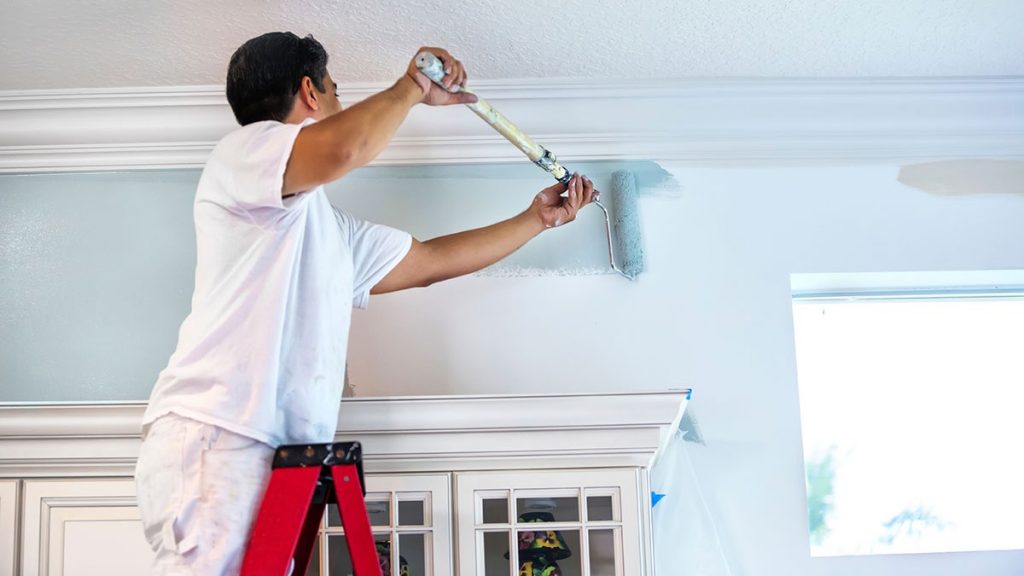
Fresh, neutral paint can make a rental feel clean and well cared for, but it should not hide underlying problems. Repair nail holes, dents, damaged drywall corners, and failing caulk before painting. Check doors for sticking, worn hinges, damaged weatherstripping, and loose knobs. Small carpentry repairs are highly visible during a showing because prospective tenants open closets, cabinets, and interior doors.
In kitchens and bathrooms, inspect cabinet doors, drawer slides, faucets, drains, toilets, exhaust fans, tile, grout, and caulking. Water is one of the costliest sources of property damage, especially when a slow leak has gone unnoticed. Recaulking a shower surround or repairing a loose toilet early is usually far less costly than replacing damaged subflooring later.
Flooring deserves an honest assessment. Professional cleaning may be enough for carpet in good condition, while deeply stained or worn carpet can make an otherwise clean unit feel dated. For hard-surface flooring, look for lifting planks, cracked tile, missing transitions, and water damage. Choose durable materials that fit the rental’s price point instead of selecting upgrades that are difficult to maintain between tenants.
Do Not Ignore Exterior Details
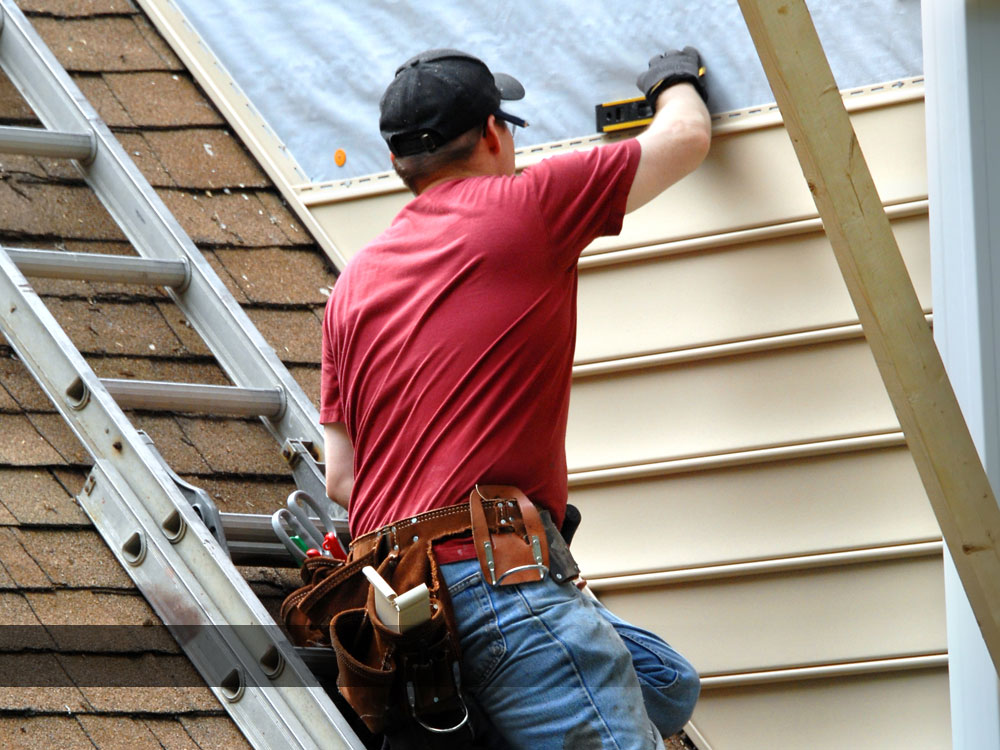
Jacksonville’s heat, humidity, rain, and coastal conditions can be hard on exterior surfaces. Walk the property with the same attention you give the interior. Check siding and trim for rot or damage, clean mildew where needed, inspect screens, and make sure exterior doors close and lock properly.
A well-maintained entry, driveway, sidewalk, porch, fence, and mailbox signals that the property is responsibly managed. Pressure washing can improve curb appeal quickly, but it should be performed carefully around older surfaces and damaged wood. Fence repairs, deck board replacement, gate adjustments, and exterior painting may also be worthwhile when they improve safety and presentation.
Clean for the Next Tenant, Not Just the Photos
Deep cleaning is not an optional finishing touch. It is part of the product a renter is considering. Clean inside cabinets, drawers, closets, appliances, window tracks, baseboards, vents, light fixtures, and behind or beneath appliances where accessible. Odors require attention at the source, whether they come from food residue, pets, smoke, moisture, or a neglected drain.
After cleaning, replace inexpensive items that make a unit feel unfinished: burned-out bulbs, cracked switch plates, stained air vents, worn doorstops, and missing blinds. These details do not usually drive a major repair budget, but together they affect whether a prospect sees a move-in-ready home or a list of future hassles.
Make Smart Upgrades, Not Random Ones
Turnover is a useful time to improve a rental, but every upgrade should have a purpose. Ask whether the change will reduce maintenance calls, improve durability, support the rent level, or make the property more competitive. If the answer is no, the work may be better postponed.
Durable paint, quality door hardware, easy-to-clean flooring, updated faucets, and properly installed shelving can be worthwhile in many rentals. By contrast, highly customized finishes may narrow the property’s appeal or cost more than the local market will support. The best choices depend on the neighborhood, property type, tenant expectations, and the condition of comparable rentals.
If several items need attention, a one-stop service provider can simplify scheduling. Handyman’s Best helps Jacksonville property owners coordinate carpentry, drywall, painting, tile, flooring, fence work, pressure washing, and other repair needs through one experienced local team. That can be especially helpful when the vacancy window is short and the work involves multiple areas of the property.
Complete a Final Quality Check
Before listing photos are taken or keys are handed over, walk the property one more time as if you were the incoming tenant. Turn on every light, run faucets, flush toilets, test doors and locks, check appliances, and look at the unit from the entryway. Make sure repair debris, paint supplies, and spare materials have been removed.
This is also the right time to confirm smoke and carbon monoxide alarm requirements, change or rekey locks as needed, and verify that safety features are functional. If utilities were shut off, arrange to have essential systems tested before move-in. A final inspection checklist creates consistency, particularly for owners managing more than one unit.
Keep Records for the Next Turnover
Save invoices, paint colors, flooring information, appliance model numbers, inspection photos, and notes about completed work. These records make future maintenance faster and help you spot repeat issues, such as a recurring leak or a door that needs adjustment every season.
A well-run turnover is not about making a rental look perfect for one showing. It is about delivering a clean, safe, functional home that gives the next tenant confidence from the moment they walk through the door.