A ceiling stain can look small, but it often tells a bigger story about what is happening above it. If you are asking what causes ceiling stains, the short answer is moisture most of the time. The more useful answer is that moisture can come from several places, and finding the true source before repainting is what protects your home or commercial property from repeat damage.
In Jacksonville and throughout Northeast Florida, heavy rain, high humidity, roof wear, aging plumbing, and HVAC condensation all make ceiling stains fairly common. A brown ring in a bedroom, a yellow patch near a bathroom, or a gray area around an air vent may look similar at first. Their location, texture, and timing can provide useful clues.
What Causes Ceiling Stains in Most Properties?
Water moves. It can enter through a roof several feet away, travel along framing or pipes, and finally show itself at the lowest point of the ceiling. That means the stain is not always directly below the problem. A professional inspection should look beyond the discolored drywall instead of treating the visible spot as the whole repair.
Roof leaks and storm damage
A roof leak is one of the most common causes of a ceiling stain, especially when discoloration appears after a hard rain. Damaged or missing shingles, failing flashing around vents and chimneys, worn roof sealant, clogged gutters, and deteriorated roof penetrations can let water into the attic or ceiling cavity.
Stains from roof leaks often appear on upper-level ceilings, near exterior walls, or around attic access points. They may grow after storms and fade slightly as the area dries. In Florida, wind-driven rain can push water into small openings that do not leak during lighter showers, so the absence of a constant drip does not rule out a roof issue.
Roof-related stains need prompt attention. Wet insulation loses effectiveness, wood framing can stay damp, and drywall may soften or sag. Repairing the ceiling before the roof is corrected usually means paying for the same work twice.
Plumbing leaks above the ceiling
A stain under a bathroom, kitchen, laundry room, or upstairs utility area often points to plumbing. A slow leak at a supply line, drain, shower pan, toilet seal, tub overflow, or appliance connection can release enough water to stain drywall without causing an obvious flood.
These leaks can be particularly deceptive because they may happen only when a fixture is in use. For example, a ceiling stain below a shower may be caused by a failing drain connection, cracked grout allowing water behind a wall, or a leak that occurs only when someone showers. A stain below a laundry room may become darker after wash days.
If the ceiling is damp, bulging, or actively dripping, avoid using the nearby fixture until the source is evaluated. Water near electrical wiring or light fixtures deserves immediate caution. Turn off power to the affected area if it is safe to do so, and have a qualified professional assess the conditions.
HVAC condensation and drain problems
Air conditioning systems work hard in Jacksonville’s heat and humidity. That makes HVAC-related moisture another frequent answer to what causes ceiling stains. Condensation forms naturally as an air conditioner cools indoor air, but it should drain safely through a properly functioning condensate line.
A clogged drain line, cracked drain pan, disconnected line, poorly insulated refrigerant line, or air handler issue can send water into the ceiling. These stains commonly show up near an air vent, air handler closet, or the path of HVAC equipment and ductwork. They may be worse during the hottest, most humid months, when the system runs longer.
Unlike a roof leak, an HVAC issue may continue even when the weather is dry. If you notice a new ceiling stain during a stretch without rain, especially near cooling equipment, do not overlook the AC system. Quick service can help prevent ongoing drywall damage and reduce the risk of moisture-related mold growth.
High indoor humidity and poor ventilation
Not every ceiling stain comes from a single leak. Bathrooms, laundry rooms, kitchens, and poorly ventilated spaces can collect moisture over time. Repeated condensation may leave faint yellowing, gray shadowing, peeling paint, or mildew-like spotting, especially on ceilings above showers.
Bathroom exhaust fans should move humid air outside, not simply into an attic or another enclosed space. A fan that is undersized, clogged, noisy, or ineffective can allow steam to settle on paint and drywall. Kitchen ventilation matters too, particularly in homes where cooking moisture has nowhere to go.
Humidity stains are often less sharply defined than a plumbing leak stain, but they should still be taken seriously. Improving ventilation, addressing air leaks, and choosing the right ceiling coating after the area is dry can make a real difference. If the same spot keeps returning, there may be an underlying moisture source that needs further investigation.
Old stains, smoke, and surface contaminants
Sometimes a ceiling stain is dry and inactive. A previous leak may have been repaired, but the drywall was never sealed correctly before painting. Water-soluble tannins and minerals can bleed through standard paint, creating a yellow or brown mark months later.
Cigarette smoke, fireplace soot, candle residue, and cooking grease can also discolor ceilings. These stains are more likely to look widespread or appear around air registers where airflow deposits particles. In older homes, nicotine staining may become more visible after fresh paint changes the surrounding ceiling color.
The repair approach depends on the cause. Once you confirm there is no active moisture, a thorough cleaning and a quality stain-blocking primer may be enough. If drywall is soft, warped, crumbling, or moldy, replacing the damaged section is usually a better long-term solution than covering it with paint.
How to Read the Clues Around a Ceiling Stain
The shape and location of a stain can help narrow the possibilities, although neither can provide a final diagnosis on its own. A circular brown ring often develops as water dries outward through drywall. A stain that follows a straight line may track along a seam, joist, or pipe. A spot around a vent can suggest condensation, duct sweating, or an HVAC drain problem.
Pay attention to when the stain changes. If it darkens after rain, inspect the roof and attic area. If it grows after showers, washing clothes, or running the dishwasher, plumbing deserves attention. If it worsens during periods of heavy air conditioning use, have the condensate system checked.
Touch can offer clues, but do so carefully. A ceiling that feels soft, spongy, or swollen may have trapped water behind it. Do not press on a bulging area or stand underneath it, since wet drywall can fail unexpectedly. Move belongings away from the area and arrange an inspection.
When a Ceiling Stain Needs Immediate Attention
A small, dry stain that has not changed may allow time for a planned repair. Active water, however, calls for a faster response. The following signs mean it is wise to act right away:
- Water is dripping, pooling, or running from the ceiling.
- The drywall is sagging, bubbling, cracked, or visibly swollen.
- The stain is near a light fixture, ceiling fan, outlet, or electrical panel.
- You smell persistent mildew or see dark fuzzy growth.
- The affected area expands quickly after rain or fixture use.
For rental and commercial properties, quick documentation is helpful. Take photos, note the date and weather conditions, and record which nearby fixtures were used. This information can help identify a pattern and support a more accurate repair plan.
The Right Way to Repair a Stained Ceiling
A lasting repair follows the source, not just the stain. First, stop the water or moisture problem. That may mean repairing roof flashing, correcting a plumbing connection, servicing an HVAC drain, improving ventilation, or addressing exterior water intrusion.
Next, allow the ceiling cavity and materials to dry fully. Depending on the amount of water and how long it was present, this may involve removing wet insulation or damaged drywall. Trapped moisture is not something paint can solve. If there is visible mold, extensive saturation, or concern about hidden damage, the scope should be evaluated carefully before cosmetic work begins.
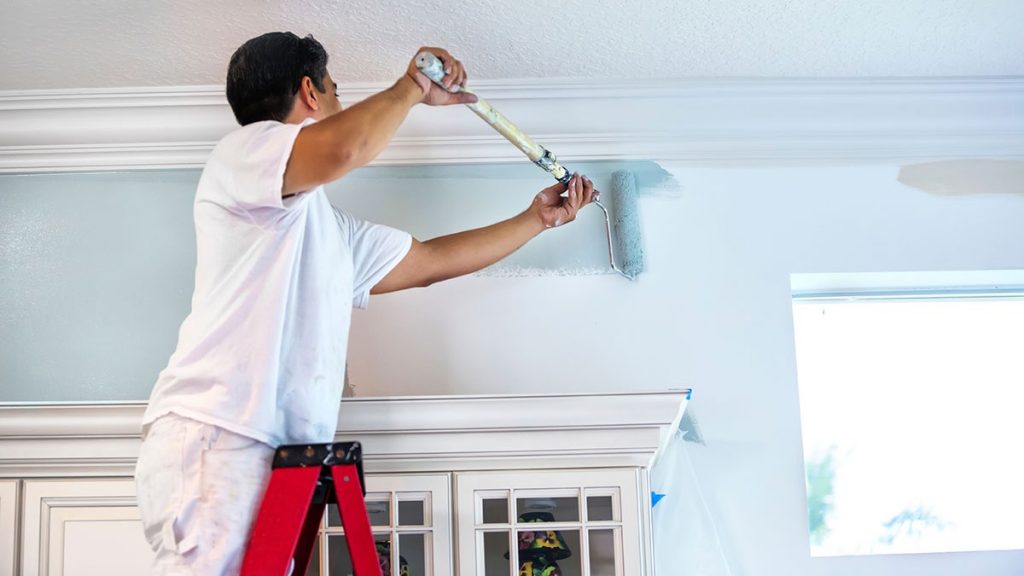
Once dry and structurally sound, damaged drywall can be patched or replaced, taped, finished, primed with a stain-blocking product, and painted to blend with the surrounding ceiling. Texture matching matters in many homes. A patch may be technically complete but still stand out if the finish is not matched with care.
Handyman’s Best can help Jacksonville-area property owners coordinate practical repairs after the cause has been identified, from drywall replacement and ceiling painting to minor plumbing repairs, siding repair, and other maintenance work. The goal is a clean, dependable result, not a quick cover-up.
A ceiling stain is your property asking for attention. Address it while it is a stain, and you are far more likely to avoid a larger repair later.